You want to learn Samskritam. Dive deeper into Bharatiya culture and Dharma.
You are busy. Can I learn Samskritam?
YES – it is QUICK and it is EASY.
How long will it take?
6 months to become familiar. 1 year to read comfortably and follow conversations.
StartupSamskritam #2
How can I Do It?
There are multiple paths.
I am going to share 7 different methods that are available to anyone across the world.
Your schedule is tough. You learn differently. Does NOT matter…
Learn Samskritam When You Want It, Where You Want It!
StartupSamskritam #3
You will find the right approach that will work for you. All you need is a “hunger to learn” and dedication
This is going to be far, far, easier than you expect Ask anyone who has learnt Samskritam over the past 2-3 years – you will hear the same message ..
नैव क्लिष्टा न च कठिना (neither tough nor difficult)
I am Evidence No 1 !
StartupSamskritam #4
Show me HOW ?
I will share 7 options to get started. Works across time, energy or money challenges.
Structured Course
Learning by Speaking
Learning via Shlokas
Text Books
Websites
eLearning Apps and Tutoring
Comics
StartupSamskritam #5
Method 1: Structured CourseWINNER
If you learn better with a pre-designed curriculum which holds your hand with small step-by-step lessons and structured notes + lectures, then a guided “structured course” program may be the right approach for you!
This approach is actually the most popular and also has the maximum chance of success
>90% of learners will succeed using this method
#StartupSamskritam #6
Samskrita Bharati runs the most popular structured program in the world and is the most popular structure course for learning Samskritam
Madras Sanskrit College : This highly renowned Sanskrit educational organization runs an excellent structured Online course ‘संस्कृत प्रवेशिका’ for beginners. The course covers all key introductory topics in an engaging manner. An overview of the course and pedagogy –
Samskrita Bharati has many types of LIVE spoken Samskritam classes. These may be available in your neighbourhood. Check out their website to see if this is an option for you
Learning by Speaking method has many advantages – a natural learning style that is NOT via learning grammar first
You glide in smoothly and start understanding the language’s rhythms and nuances
This is very intuitive, effective and many people swear by this– you may soon be one of them!
If your primary motive behind learning Samskritam is to understand scriptures, shlokas and other matters concerning Dharma, this approach may be right for you
Bonus-you learn Samskritam also while diving deep into Bhagavad Gita or the Ramayana!
Sanskrit textbooks from State Boards can be a useful source. I have collected textbooks from VI – XII std from 13 state boards (NCERT, CBSE, KA, KL, TN, TG/AP, RJ, GJ, MP, CG, OR, MH & NIOS) at https://t.co/ajnhVfht7b@pvaal2@yaajushi@archan_dave @Madame_Micawber @rivalslayer
“Birds in Sanskrit Literature” by K N Dave is a totally captivating tour de force!
This book examines in detail the common/uncommon birds of India, not as a regular birding book, but from the vantage of their presence in Samskritam Literature
The book is ambitious in scope covering many species in this wide-ranging feat of scholastic brilliance
The broad list of birds shows a keen sensitivity to nature that courses through भारतीय literature & the cultural role played by our feathered friends in making us भारतीयाः।
Let us take a few examples
१ Corvus (काकः) – the bird having the largest number of संस्कृत synonms!
The author’s deep research & passion for the subject shines through the minute descriptions & cross-references
Re: the ubiquity of crows in our country, he says नरानां नापितः धूर्तः पक्षिणां चैव वायसः !
The various descriptors for काकः are quite revealing
२ Cuculus – the famed कोकिल (which includes the mythical चातक)
कोकिलानां रुतैः पुण्यैः सर्वत्र मधुरायते as all of us know!
There are plates with pictures which clearly shows the author’s birding interest, while the detailed references & snippets shows his passion for संस्कृतम् & भारतीय literature
The introduction provides an interesting synopsis of the 3000+ year historical literary attestation of birds in the भारतीय canon
The list of references sources shows the deep research & the “labour of love” aspect behind this wonderful book
The Samskrita-Pali-Prakrita index provides an useful mapping of भारतीय bird names with the modern terminology
Overall, the book is amazing & shows how we can take up new & exciting modern topics while leveraging the foundation of भारतीय culture & literature
Ornithologically there may be better ‘reference’ works, of course, but from a cultural perspective, none like this one!
A recent tweet mentioned how Western critics ignorantly claim ‘tragedy’ is absent in भारतीय इतिहासकाव्यानि
Let us see if the Western claim is true
Our Itihasas are replete with examples of tragedies – innocuous events spiraling wildly out of control, causing grief and destruction to all concerned
Take Hunters & Curses
Numerous episodes involve wayward hunters, hurled imprecations & unleashed chains of Karma that changed the course of events in uncontrollable ways …in addition to sparking off brilliant & beautiful Kavyas, Itihasas & Puranas
Let us explore 5 interesting episodes!
#1 आदिकाव्यम् & आदिकविः।
Starting from the very beginning, the AdiKavya, Ramayana, Maharshi Valmiki, while taking a dip in the Tamasa river sees a krauncha couple shot-down by a wayward hunter
At the close of this scene, he hurls the famous imprecation मा निषाद !
This beautiful & heart-rending scene is captured here
Separated from her winged, copper-crested companion, drenched in blood and intoxicated in love, she lets out a piteous wail
The perturbed poet finds an inspired outlet for his Shoka (deep sorrow) by composing the first Shloka that ultimately leads to the Ramayana
शोकार्तस्य प्रवृत्तः मे श्लोको भवतु नान्यथा।
He specifically defined Shloka as पादबद्धोऽक्षरसमस्तन्त्रीलयसमन्वित।
So we see that the inspiration for Ramayana & the very concept of Shloka itself arose from an episode involving a hunter & a curse
Tragedy transformed to beauty here..
#२ Dasharatha’s Careless Arrow
Ramayana’s arc is intimately connected to another hunting episode involving दशरथः।
In a deliciously painted fractal scenario, Valmiki reprises his own experience when he describes Dasharatha on a hunt, along the banks of the same Tamasa River!
Dasharatha, an accomplished hunter, hearing in the distance what he thought to be ‘sound of elephants’ drinking water, lets loose his arrows ‘sight unseen’
He shoots by mistake, an young ascetic collecting water from the river
The Adikavi describes the frightening & gut-wrenching scene movingly
A confident Dasharatha, supremely sure of his ability to aim at ‘mere source of sounds’, letting loose a volley that inexorably finds its tragic mark..that gets events spinning out of control…
Then, a guilt stricken Dasaratha decides to break the news to the blind and old parents in their hermitage
A beautiful sequence of poetry follows ..and Dasaratha receives the curse that leads to the tumultuous events magnificently described in the Ramayana
It is interesting that the same incident is captured by the inimitable Kalidasa in the Raghuvamsam
You will also, in your old age, face death like me, filled with Putra-Shoka !
#3 Pandu’s Deliberate Shot
Mahabharata, the ‘Panchamaveda’ has chains of events intertwined with hunting mishaps
Pandu, engrossed in a hunt, see a deer couple in maithuna & decide to shoot them
Turns out it was the Muni किंदम & his wife frolicking in the shape of two deers.
The crestfallen Kimdama curses Pandu thusly
वर्तमान सुखे दुःखं यथाहं प्रापितस्त्वया तथा त्वां च सुखं प्राप्तं दुःखमभ्यागमिष्यति।।
Kimdama’s famous curse leads to Pandu’s enforced brahmacharya, the peculiar circumstances behind birth of Pandavas & the all the events emanating from that point onwards….
#4 Pariskhit’s Death Foretold
Yet another hunting mishap leads to the episode of Takshaka killing the lone remaining Pandava descendant, Parikshit, son of Abhimanyu
To avenge this event, the Sarpasatra was consequently conducted by Parikshit’s son Janamejaya to destroy all Nagas!
In yet another delicious fractal irony (too many of them in the Itihasas !), it was at this very same Sarpasatra that the Mahabharata was narrated by Vaishampayana, the disciple of Veda Vyasa, for the very first time….
Parikshit on a hunt gets really tired & thirsty pursuing his prey across deep jungle
He then comes across Muni Shamika meditating in Mouna-Vrata
Frustrated on receiving no response to his queries, Parikshit takes a dead snake with his Dhanushkoti & places it on the Muni’s shoulders
Shamika’s hot-headed son, Shringi, on hearing about this insult to his father, curses Parikshit
“Takshaka, the Naga par-excellence will cause Parikshit’s death within 7 nights –
सप्तरात्रादितो नेता यमस्य सदनं प्रति”
This again sets the wheels of tragic consequences in motion..
This foretold death of Parikshit causes Janamejaya to arrange the famous SarpaSatra and hence the beginning of the Mahabharata!
Talk about tragic twists & turns caused by seemingly commonplace errors (here in hunting) that have consequences that leads to Pralaya !
An now, the final episode
#5 Kali Yuga Begins
Kaliyuga starts with an act of a wayward hunter, Jara who accidentally shot the योगयुक्तं शयानम् Bhagvan ShriKrishna on the sole of the feet, mistaking him for a sleeping prey
As is usual, these events were also foretold, a consequence of continuous chains of Karma
Gandhari’s curse conveyed to Shri Krishna, led directly to the destruction of the Yadavas
Samba, Shri Krishna’s son plays a prank on visiting Rishis & is consequently cursed to give birth to an iron pestle
Bhagavan Krishna knowing the future, instructs the iron pestle to be ground to dust and cast into sea
Some of the powdered metal is swallowed by a fish which happen to be caught by Jara, the hunter
Jara then fashions an arrow with the same metal
This arrow is the one that the hunter shot by mistake……
And inaugurated the Kali Yuga
So hunters, curses and tragedies – events that spiral and end in Pralaya – starting off from minor errors of judgement – all woven together in beautiful prose and poetry – to exemplify and embody Dharma!
This means -> To dhatus like गु (गुङ् शब्दे) or धृ (धृङ् अवस्थाने) & यम् etc. add त्र
So if we take the dhatu यम् -> यमँ उपरमे and we add त्र we get यन्त्रम् [उपकरणम्]
अहो महाद्भुतम् !
We get derivation & etymology for यन्त्रम् (engine) thusly!
Now the question is – why do we have Unadi sutra? Why not just the ‘regular’ process?
This goes to very ancient times..as we know, सम्सकृतम् is really ancient
The Rules of Etymology
The basic संस्कृतम् rule is EVERY WORD is traceable to a specific धातुः।
This approach and rule to etymology requires a large number of grammatical rules to be made in order to clearly derive each word from a धातुः। The word lists become quite voluminous
However, as time went by & grammar became more ‘scientific’, brevity became critical
The lists were forgotten & connection between धातुः & प्रत्ययः for many words forgotten
Unadi Sutras in the Sanskrit Grammatical Tradition – Kanshi Ram
Unadi Sutras are a mechanism to regain this forgotten ‘word-root’ framework such that all संस्कृतम् words are traceable to existing धातवः।
All ‘difficult’ to derive words were resolved using Unadi Sutras
Since ‘original’ connections were lost, Unadi sutras use approximations
There were multiple intellectual battles over the nuances & correctness of these derivations.
Some were quite bitter!
Maharshi Panini could easily have generated additional rules for deriving the words which were being derived using the Unadi derivation process. This would have significantly expanded the number of Sutras in the Ashtadhyayi beyond the current 4000 odd sutras
However, he ‘chose’ to be conservative/mindful of tradition since the ‘concept of Unadis’ were definitely pre-Paninian, even though they may have been called under different names
So we see that the Ashtadhyayi takes a very pragmatic view of handling Unadis and Maharshi Panini has given substantial leeway to the ‘flexibility’ & looseness of Unadi sutras
There are also significant differences of opinion as to whether Unadi sutras are pre-Paninian or whether Maharshi Panini actually defined Unadi Sutras
Unadi Sutras are defined in Ashtadhyayi from उणादयो बहुलम् ३।३।१
It is important to note that Unadi प्रत्ययाः are attached to only few defined धातवः। Not all dhatus will accept Unadi Pratyayas.
बहुलम् is because the application is general across a ‘few’ धातवः।
A lot of common words are derived from Unadi Sutras
So in यन्त्रम्, we saw यम् (धातुः) + त्र (उणादि प्रत्ययः) -> यन्त्रम्
It is interesting to note the त्र is added to only few धातवः defined in the Unadi sutra under गुधृवीपचिवचियमिसदिक्षदिभ्यस्त्रः – > गुङ् धृङ् वी डुपचष् वच यम षद क्षदि etc.
Similarly त्रन् ।णित्रन् & so on & so forth as shown below
Now why the name Unadi ?
Because, the first प्रत्ययः in this list is उण्।
Hence उण् et. al -> उणादि
कृ + उण् – कारुः [करोतीति कारुः] शिल्पी कारकश्च।
वा + उण – वायुः [वातीति वायुः]
Post Script
I cover some aspects of the sophistication involved in the traditional approach to Sanskrit etymology in Wheat and Witzel – Part 1
तिला᳚श्च मे मु॒द्गाश्च॑ मे ख॒ल्वा᳚श्च मे गो॒धूमा᳚श्च
Tilaashcha me mudgaashcha me khalvaashcha me godhuumaashcha
Chamakam | Anuvaka 4
Can a nation’s origin, history and culture be conjured up based on a few words?
If yes, is it possible for ancient Sanskrit words to be re-interpreted by ‘experts’ and a series of far-reaching historical, cultural and civilizational narratives created out of these potentially controversial new interpretations?
All of us long-suffering Indians would answer in a jiffy – of course, yes!
The most prominent example of such a sleight-of-hand would be the notorious “Aryan” of German-Indological imagination. This wholly conjured up neologism, from the original Samskritam word “आर्य [Arya]” (meaning in general civilized or cultured) has been the foundation of the artificial “Aryan-Dravidian” storyline in modern Indian consciousness.
In Germany, the original homeland of this pernicious theory, the racist Indological Aryan storyline ended up fueling the pre-war Nazi excesses before being adopted by modern far-right fringe groups in Europe and USA.
Given the gruesome and racist history of such Indological excursions, is it worthwhile to ask if this process of misinterpretation and creation of patently ridiculous theories has been abandoned by western Indologists? Or is it still alive and kicking?
Let us see.
The etymological tussle for the Samskritam word ‘godhuma’ / wheat provides a wonderful case-study on how Indology generates evidence, frequently with an inadequate basis in scholarship.
Facts are ‘built-up’, narratives are set in motion and highly tenuous claims are repeated across a series of cross-referenced articles.
These ‘facts’ then become the foundations for a new, re-worked historical and civilizational narrative for a nation and people.
Godhuma – The Backstory
Wheat { गोधूमः } is a grain known to India since ancient times. The Mehrgarh site in present day Balochistan, dated circa 7000 BCE, shows presence of domesticated wheat varieties.
Wheat is mentioned in all Samhitas except Rgveda.
Many different forms of the word ‘godhuma=wheat’ is present in languages all over India {godi, kotambu, gauma} as well as further west including languages like Persian {gantum}, Hittite {*qend /kant}, semitic {*hant} and old Egyptian {xnd}.
The dew-covered forests laden with barley and wheat, shines as the swans and kraunchas call at sunrise. ।3.16.16।।
Along with references in the Mahabharata and Arthashastra, the familiarity and usage of गोधूम as a Sanskrit word is attested by the Paninian (~600 to ~400 BCE) framework, which incorporates गोधूम in the Gana Patha under 4.3.136 – बिल्वादिः।
The Manusmriti (200 BCE or earlier) mentions “all preparations of barley and wheat..may be eaten by dvijas..though they may have stood for a long time: चिरस्थितं अपि त्वाद्यं अस्नेहाक्तं द्विजातिभिः। यवगोधूमजं सर्वं पयसश्चैव विक्रिया । । ५.२५ । ।
Charaka Samhita mentions that godhuma is Satmya (सात्म्यम् – appropriate/wholesome) in Bahlika, Pahlava, Cheena, Shoolika, Yavana and Shaka regions.
However, for most of its existence, wheat was considered by many Indian sources to be an inferior cereal (कु-धान्यम्) and म्लेच्छ-भोजनम्।
Barley, millets and rice were preferred instead.
The Etymology of Godhuma [Wheat]
Indian Sanskrit sources agree on the derivation and etymology of ‘godhuma’ as
ऊम – अव् [रक्षणे] मन् + कित् + ऊठ् च Protecting, a good friend
The derivation provided in Unadi Sutra 5.2 is गुधेरूमः – गोधूमः।
The fact that the Paninian grammar system provides for an etymology and derivation of गोधूम means that the word is officially incorporated into the structured Sanskrit language framework (Unadi Sutra and Gana Patha) and has had a formal grammatical basis for its existence since ancient times.
Amarakosha [~400 CE] refers to गोधुम, गोधूम and सुमन as synonyms of wheat.
ShabdaKalpadruma, a more modern 19th century Indian Sanskrit dictionary defines godhuma as गुध्यते, वेष्ट्यते, त्वगादिभिः।
In contrast to Sanskrit and related languages which have a spectrum of variations around the ‘godhuma’ word, both Latin and Greek have very different words for wheat, unconnected to ‘godhuma’.
The latin word is triticum (from tero – graze, grind) and the Greek words are sitos (grain or wheat) or zidoros (life-giving). Hesychius’s lexicon has an entry γανδομην -> αλευρά (gandomin –> alevra / flour), but this word is not found in modern Greek lexicons.
Both German ‘weizen’ and English ‘wheat’ have a very different etymology from godhuma and related sounds.
Based on Nighantus and Paninian grammar evidence, godhuma is clearly a well-known Sanskrit word since at least 400 BCE and the commonly accepted etymology and meaning revolves around the notion of something that is (a) ‘protected’ by a ‘covering’ or (b) is a friend and protector that ‘covers’ or some variation on this theme.
The synonym of सुमन {literally ‘well-thought’ but conveys a sense of beautiful/charming} may also possibly point towards the theme of a ‘friend’ or loved one.
The Outlier Monier-Williams
As frequently seen in the case of many words including the famous “Aryan” neologism, Monier-Williams Sanskrit-English Dictionary (MW – 1872 & 1899) shows an etymology at variance with other Indian sources. MW starts off on the right foot by mentioning गुध् and the Unadi Sutra reference, but then pulls an etymological genie out of the bottle claiming that the meaning of गोधूम is ‘generally earth-smoke’.
How so? One may be tempted to ask.
गोधूम = गो + धूम = ‘Earth Smoke’ = Wheat
MW shows the गोधूम word as split into constituent parts in a variant fashion from the accepted गुध + ऊम.
The word गो has numerous possible meanings including cattle, sky, stars, heaven, a quarter of the compass etc.
MW chooses to accept one of the several meanings of ‘गो’ [go] = earth and combines it with धूम [dhuma] = smoke.
MacDonnell (1893) also picks up a similar etymology and does one better by describing go-dhuma as ‘Earth Exhalation’ – probably a creative reverie representing Gaia’s sighs as heaving sheaves of wheat weigh heavily on भूमिदेवी!
This brings us to a more prosaic but fundamental issue: how and why do Indologists create new meanings and etymologies, often at variance with existing traditional sources?
Are these new interpretations driven by genuine gaps or errors in the Sanskrit grammatical traditions? Is this process supported by evidence? Do these new derivations have any credibility?
What could be the possible Indological purpose behind the uncommon zest for generating deviant claims and re-defining the ‘meanings’?
The case of {godhuma | wheat} helps us understand this process in detail and examine how preferred Indological narratives are created by repetition and cross-referencing of these deviant claims, almost echoing the Goebbelsian playbook of “If you tell a lie big enough and keep repeating it, people will eventually come to believe it.”
The Roots – Indological Basis of ‘godhuma’
From where did Monier Williams and MacDonnell take their deviant etymological interpretation for godhuma? For credible answers, we will need to dig deeper and look into the well-springs of 19th century European Indological reference materials.
The first major Sanskrit-English dictionary was published by H Wilson in 1832.
This was followed by Yates (1846), Goldstucker (1856) and Benfey (1866) before the famous Monier-Williams (MW) Sanskrit-English dictionary was published in 1872.
Within German Indology, the first Sanskrit-German dictionary was the ‘magnum opus’ by Otto Böhtlingk and Rudolph Roth, the Petersburger Wörterbuch (1855).
It is interesting to note that apart from the traditional Indian sources, Böhtlingk also refers to and incorporates a contemporary Indian संस्कृत dictionary in his book, the ShabdaKalpadrumah (Volume 1 started 1803 and final volume completed 1858) which was available to German Indologists by the time the Petersburger Wörterbuch was being prepared.
Another important 19th century work was the Altindische Grammatik (published between 1896-1964) by Jacob Wackernagel, an expansive German work on Sanskrit Grammar that was later completed by Albert Debrunner.
Let us look at how the godhuma question was handled by these foundational Indological works and examine the construction of the new etymology for गोधूम.
The Origin of Earth-Smoke and Cow-Smoke
In the earliest western Sanskrit dictionary, Wilson (1832) defines godhuma as
1. Wheat
2. The orange and
3. The name of a drug
Wilson provides the etymology as गुध to surround, and ऊम Unadi affix – the same as traditional sources.
Yates (1846) repeats the same meanings without providing any etymological derivation.
Benfey (1866) provides ‘godhuma=wheat’ but refers to the earlier highlighted Manusmriti 5.25 as the source.
None of these dictionaries prior to MW has a dissenting opinion on the etymology of godhuma.
It is in Böhtlingk’s Petersburger Wörterbuch that we see the first instance of {गो +धूम = ‘Earth Smoke’}.
The primary meaning of गोधूम is mentioned as wheat and is shown as derived from Unadi sutra 5.2 – fully in agreement with extant Indian sources and even Wilson (1832).
The deviation is seen in the latter part of the same entry under (2) गोधूमी (f).
For reasons unclear, Böhtlingk decides to position {godhumi गोधूमी}, the entry for a type of plant, also known as golomika under the topic header ‘godhuma’.
The original source of the godhumi/golomika word is shown as the Sanskrit lexical work RajaNighantu by Narahari Pandita.
Böhtlingk then goes on to mention that “*godhumi…breaks down to {go+dhuma} and can be translated as “earth/ground smoke”.
From where did Böhtlingk get this etymology ‘earth smoke’ for godhumi/golomika?
Böhtlingk actually takes the entry for गोधूमी from the Indian 19th century dictionary, the ShabdaKalpadrumah where, it must be noted that गोधूमी is actually shown as a separate entry not connected etymologically to {godhuma=wheat}.
The etymology for godhumi in शब्दकल्पद्रुमः is गां + धूमयती or causing smoke or causing covering or darkening to {गो}.
As discussed, there are many meanings possible for ‘go’ (cow, earth, sky, heaven, speech, direction etc.). If गो is taken as ‘earth’, we derive the sense of “earth+smoke” for the godhumi plant.
To be fair, there is also a notion of the ‘cow’ present in the etymology for golomika, a synonym for the godhumi plant.
The ShabdaKalpadrumah says golomika is गवां लोमेव लोमानः (sic) सन्ति यस्याः – “that which is hairy like cow’s hair”.
So, there are possibilities of both the earth and cow being connected with the etymology of godhumi/golomika.
Now let us understand what Böhtlingk has done here.
He combined under the header godhuma, two separate terms found in ShabdaKalpadrumah
(a) godhuma=wheat or orange or medicinal plant and
(b) godhumi, a plant.
Böhtlingk faithfully copies the go + dhuma (‘earth-smoke’) etymology for the godhumi plant, but the decision to attach the entry under the overall heading of ‘godhuma’ opens up a pandora’s box.
Whether by omission or commission, categorization of these two different words by Böhtlingk under a common heading ‘godhuma’ possibly led the rest of the Indologists and western Sanskritists to interpolate the etymology for godhumi=a plant {earth-smoke} on to godhuma=wheat {covering-friend} and conclude that godhuma=earth smoke is indeed a valid ‘folk etymology’ derivation for wheat.
This deviant ‘earth-smoke’ reading for wheat is then referenced in subsequent Indological articles while the Unadi Sutra etymology is erased and removed from circulation.
As shown here, the ShabdaKalpadrumah has two distinct and separate entries for these terms.
Wackernagel’s AltIndische Grammatik takes a step further and brings in a novel ‘cow’ angle to the etymology. He claims that godhuma is actually {Rauch der Rinder – smoke of cattle} and also is {..from *gendum… word folk-etymologically translated as ‘cow-smoke’}.
For this further etymological transition from गो=earth to गो=cow, he refers to CC Uhlenbeck’s Kurzgefasstes Etymologisches Wörterbuch (1898) where the ‘folk etymology’ theory is highlighted while negatively referring to go=kuh/cow and dhuma=rauch/smoke.
Wackernagel also refers to Hubschmann’s Persische Studien (1895) where he claims that godhuma is a folk etymological word composed with ‘go=cow’. “As it were, go+dhuma= cow+smoke, to be compared to the local fumaria plant called Erdrauch (earth-smoke), also known in Greek as καπνός (kapnos – smoke).”
If the local ‘earth-smoke’ plant is being highlighted to showcase the similarity or equivalence to the ‘godhumi/golomika’ plant, why is it then mixed up with the etymology of godhuma (wheat) ?
So now, we can see that between the publication of the Petersburger Wörterbuch and Wackernagel’s Altindische Grammatik, for reasons unknown, a bunch of Indologists decided that the existing Unadi Sutra derivation of गुधेरूमः – गोधूमः should be trashed and godhuma should actually be गो + धूम= ‘earth-smoke’, a ‘folk-etymological’ derivation.
They then immediately proceed to change their newly minted etymological opinion by saying “Sorry – hold on! We were wrong, it is not earth-smoke, but actually cow-smoke really”.
This new etymology was then stamped and approved by Wackernagel’s ‘magisterial’ book.
It is quite possible that the ‘cow-smoke’ etymology ultimately derived from a confused reading of Böhtlingk’s jumbled ‘earth-smoke’ entry for godhumi, which in turn was possibly caused by an ill-advised concatenation of two similar sounding words – godhuma and godhumi in the Wörterbuch while copying the entries from ShabdaKalpadrumah.
Sanskrit Debates on Etymology
Before we conclude this section, given the Indological zest for re-defining the meanings and etymologies, let us briefly look at the Indian and Sanskrit intellectual heritage and approach as far as etymology and lexicography is concerned.
Is it that Sanskrit has no scientific and robust mechanism for classifying sounds, words and meanings?
Is it that there is no error correction or resolution mechanism in the Indian tradition?
Nirukta, or the science of etymology, is part of the six Vedangas and form a foundational part of the Indian intellectual tradition.
A cursory look at the topic shows numerous, robust, theories and ongoing debates in Sanskrit since ancient times regarding the origin and meaning of words.
शाकटायनः, a pre-Paninian grammarian held in high esteem (अनु शाकटायनं वैयाकरणाः), opined that all words are derived from “dhatus” or verb-roots (नामानि आख्यातजानि).
Meanwhile, गार्ग्यः and others maintained that not all nouns are traceable to dhatus.
The depth of this lexicographical and etymological intellectual tradition, likely the most sophisticated in the world, is reflected in Durga’s commentary on Nirukta/Nighantu where the universe of ‘derivable’ words is classified into 3 groups:
प्रत्यक्षवृत्तिः – where the derivation is regular and the roots are clearly visible in the words.
परोक्षवृत्तिः – where the derivation is irregular and the roots are slightly altered
अतिपरोक्षवृत्तिः – where the derivation is obscure and the roots are wholly altered
Based on the above approach, some of the basic principles enunciated by Yaskacharya in the conceptually path-breaking Nighantu include:
If even such similarity also is not present, derive using similarity of even an akshara or a varṇa.
This is a sophisticated schema for analysing etymology and generating meaning. There is certainly no random, casual ‘folk-etymology’ approach at play here.
The Unadi Sutras in turn, are a mechanism to provide derivation and meaning for words where there is some irregularity or where the word origin or meaning is unclear.
For example, “go=cow” itself is derived using Unadi Sutras (गमेर्डोः) with डो pratyaya.
Even in Unadi Sutras, the final derivation may sometimes not be meaningfully connected to the proposed dhatu in many instances.
The Sanskrit Vyakarana tradition is fully cognizant of the various challenges in etymology and meaning and has always engaged in constructive debates in the best traditions of Indian intellectualism whenever there have been differences of opinion.
While German Indologists can certainly participate in the debate on Sanskrit etymology and the validity of the specific derivation, there needs to be some logic, evidence and credible basis provided when a new and variant etymology is introduced into the language.
We see the absence of such an approach in many, if not most of the cases.
We saw instances where ‘folk-etymology’ was casually thrown about with very limited evidence to back it up. There does not seem to have been any substantial analysis of the extant Sanskrit sources or debate with the Sanskrit Pundits prior to any of these new etymologies being conjured up in Europe.
No real evidence is provided as to why the Unadi Sutra definition for godhuma is unacceptable and why the ‘earth-smoke or cow-smoke” is any more credible or rational than the existing one.
In fact, as we found out, there may be a series of errors at the heart of this ‘cow-smoke’ etymology due to multiple omissions and commissions that makes the entire Indological ‘earth smoke’ and ‘cow-smoke’ excursions into godhuma quite suspect.
Given this Indian tradition of robust debates around issues of rigour, credibility and process involved in determining word meanings and derivations within Nirukta, Unadi Sutras and similar sources, the etymological process followed by Böhtlingk, Wackernagel, Uhlenbeck, Hubschmann and Monier Williams seems highly suspect and certainly does not seem to pass even a lowered credibility threshold.
Summing Up
We need to re-open and examine the foundational European Indological materials to separate the ‘wheat’ from the chaff.
We should evaluate which parts of the canonical texts are credible and passes muster based on acceptable Sanskrit scholarship standards. There should be a robust evaluation mechanism overseen by traditional Sanskrit grammarians for the acceptability of such sources.
Whatever is not justifiable should be discarded as fanciful hallucinations of folks cut off from any ‘on-the-ground’ lived experience or sensitivity to cultural contexts.
While German Indologists have always focused on narrow detail-oriented list-making or painstakingly digging out variations or recensions within a text, we should now help move the focus towards real ‘big picture’ knowledge-generation aligned to the traditional Purushartha-based scholarship framework.
Without succumbing to the temptation to ‘give an eye for an eye’ for past transgressions, we should offer a helping hand to the Indological enterprise to fill the existing lacunae in their process, methodology as well as the ultimate vision and find a more robust grounding based on accepted Indian epistemological frameworks.
In fact, the classic Nyaya razors should be deployed for Indology as a subject, at the earliest: किं प्रमाणम् ? किं प्रयोजनम् ?
This approach will be beneficial to Sanskrit and the scholarly study of Indian civilization in the future.
To Be Continued in Part 2
Given the above background, we will now examine how the novel, synthesized Indological etymologies like godhuma= ‘earth-smoke’ or ‘cow smoke’ have been used and reused by prominent modern Indologists to create or support certain ‘pet notions’ and drive a series of preferred narratives.
The criticality of proving the case around “Aryans” as a ‘people’ and their purported eastward migrations has led to large scale historical revisions. The linguistic analytical approaches to revising these historical narratives as well as the motivations behind these revisionist approaches will be also be examined in Part 2.
आ नो॑ भ॒द्राः क्रत॑वो यन्तु वि॒श्वतोऽद॑ब्धासो॒ अप॑रीतास उ॒द्भिदः॑ ।
Hesychii Alexandrini lexicon, Friderico Ritschelio (ed.), Ienae, typis Maukij, 1864.
Böhtlingk, Otto von, Rudolf von Roth, and Imperatorskai͡a akademīi͡a nauk (Russia). Sanskrit-wörterbuch Herausgegeben Von Der Kaiserlichen Akademie Der Wissenschaften. St. Petersburg: Buchdr. der K. Akademie der wissenschaften, 1855-75
Wackernagel, Jacob, 1853-1938, and Albert Debrunner. Altindische Grammatik. Göttingen: Vandenhoeck und Rupricht, 1896.
Uhlenbeck, C.C. (Christianus Cornelius), 1866-1951. Kurzgefasstes Etymologisches Wörterbuch der Altindischen Sprache. Amsterdam: Johannes Müller, 1898-1899
Paul Horn, Grundriss dee Neupersischen Etymologie, Strassburg, K.J. Trübner, 1893
Kanshi Ram, Unadi Sutras in the Sanskrit Grammatical Tradition, 2001, Shivalik Prakashan, Delhi
Gyula Wojtilla, The Sanskrit Godhuma, Apropos of A Short Excursion In Indo-European And Indo-Aryan Prehistory, Acta Orientalia Academiae Scientiarum Hung. Volume 52 (3-4), 223-234 (1999)
Laxshman Sarup. The Nighantu And The Nirukta Vol I 1927, University of Punjab
Bhate, Saroja. “Pāṇini And Yāska : Principles Of Derivation.” Annals of the Bhandarkar Oriental Research Institute, vol. 62, no. 1/4, 1981, pp. 235–241. JSTOR.
आर्यमिश्रान् विज्ञापयामि अस्मिन् विषये। While this may seem in jest, the data shown is all valid
As the screenshot shows, the word for Mouse is remarkably conserved across multiple languages
German – Maus | Dutch – Muis | Swedish – Musen | Russian – myš’ | Czech – Myš | Polish – Mysz | Bulgarian – miškata | Slovenian – Miška
Samskritam मूषिकः । Mushika | Mushaka
Below is a list of 70+ languages with the word for ‘Mouse’
In fact, total list may be 100+ languages!
Quite remarkable!
But why?
Mice & humans in fact, go a long way back
The history of origin & spread of Mouse is an important clue to the spread of human beings & languages
Interesting Points to Note
१ Mice originated in India & SEA
२ 10,000 years ago had split to 4 populations with non-overlapping range in India
३ Mouse started commensalism only after agricultural communities started
४ domesticus spread to fertile crescent
५ musculus spread to China
६ 4000 BP ->Europe
This is the map highlighting the spread of mice
Now if Mouse originated in India, what is the Samskritam etymology for मूषिक or मूषक?
It originates from मुष – a “thief”, someone who steals grains & food!
मूष्णाति द्रव्याणि इति।
Steals things
मूष् in Paninian धातुः (word root) system comes from मुषँ स्तेये। स्तेन->steal
Let us ask ourselves, how old is the Samskrita word मूषक for Mouse?
Very ancient!
In fact, it is mentioned in the Rg Veda “As mice eat threads”!
Mice मूषिकः are also mentioned in abundance across ancient Indian texts
Texts that are clearly prior to 500 BCE like Ramayanam, Mahabharatam, SusrutaSamhita etc
Mice मूषिकः are also mentioned in abundance across ancient Indian texts Texts that are clearly prior to 500 BCE Ramayanam, Mahabharatam, SusrutaSamhita etc
Mice are commensals {2 species living together where 1 benefits (mice) & other may/may not benefit}
Mice & agricultural communities naturally go together
Since mice originated in India, its important to understand origins of Indian agriculture
India shows evidence of agriculture from 9000 BCE !
So beginnings of Indian agriculture is intimately connected with commensalism of mice
It is likely that original Indian farming communities were the first to give the name मूषक to “mouse” given the stealing skills they experienced first hand!
Where Indians went, mice also went
Now, let us take the Aryan Mouse Theory 🙂
How does ARYA come in all of this?
The संस्कृतम् word Arya originates from ऋ गतौ (to go, flow etc)
It means cultured/noble . It is also connected to ‘Cultivate/Agriculture/Irrigation’ etc.
In fact one of the meanings for Arya is Trader/Farmer!
अर्यः = वैश्यः।कृषकः।
@sudarshanhs & @BhattaPN have discussed words originating from ऋ गतौ incl. आर्य।अर्य।ऋतम्।इरिणम्।
Many pundits have written about Arya & Agriculture/Trading
Sediyapu Krishna Bhat’s theory on the connection between Arya & Agriculture {‘Arable’}
@vakibs has written about his theory of how agriculture & irrigation is connected to the notion of Arya / civilization / nobility which is broadly similar to Shri Bhatt’s ideas
Now, the word "irrigation" itself, along with other related words in Indo-European languages: γεωργία (agriculture), arable, area etc. point to a common root.
This is possibly the Sanskrit root : √ṛ (to flow) from the verbal roots (Dhātupāṭha) of Pāṇini.
“My plea, if there is a plea that I may make, is that those who are the inheritors of a past that they did not create themselves, (viz. Indians), have an obligation to share that past ..with the international scholar community”
Sheldon Pollock on Hindutva and the Life and Death of Sanskrit
“मम याचना, यदि मया याचितव्या हि, अस्ति यत् येऽपि अतीतस्य ऋक्थिनः, यः अतीतः तैः स्वैः (नाम भारतीयैः) न निर्मितः, तम् अतीतम् अन्ताराष्ट्रियविद्वत्सङ्घेन सह भाजयितुं ते उत्तरदायिनः”
Is it owned by the people whose ancestors organically developed the culture as a ‘lived experience’ or the colonial progenies who ruled over that society for hundreds of years?
Can ‘international scholars’ claim unique academic rights over someone else’s culture while simultaneously silencing native voices?
सभ्यतायाः आधिपत्यं कस्य? तस्य समाजस्य वा यस्य पितरः तस्याः सभ्यतायाः निर्मातारः अथवा आक्रान्तानाम् अपत्यानां यैः सा सभ्यता नैकशतवर्षपर्यन्तं बलाद् निर्जिता शासिता शोषिता च? पाश्चात्त्य-विद्वांसः देशजानां ध्वनीन् मूकीकृत्वा तथा च तेषाम् अवकाशमपि अपाकृत्य तेषामेव संस्कृतिसम्बन्धि-शोधस्योपरि स्वायत्तताम् उद्घोषयितुं शक्नुवन्ति किम्?
Compared to Indian elites, the African intellectuals have been far more honest and unambiguous in diagnosing and accepting the colonial problem within their newly free nations.
Ngugi Wa Thiongo makes a few biting observations in Decolonising the Mind, The Politics of African Literature. He talks about what he calls the ‘Cultural Bomb’ – “the effect of a cultural bomb is to annihilate a people’s belief in their names, in their languages, in their environment, in their heritage of struggle, in their unity, in their capacities and ultimately in themselves. It makes them see the past as one wasteland of non-achievement and it makes them want to distance themselves from that wasteland…The intended results are despair, despondency and a collective death-wish.”
ङ्गूगि-वा-थियोङ्गो “डिकौलोनाइजिंग द माइण्ड : द पौलिटिक्स औफ एफ्रिकन लिटरेचर” इत्याख्ये पुस्तके कञ्चित् कटाक्षं करोति। ‘संस्कृतिविध्वंसकः’ इति कस्यचित् वस्तुनः विषये सः तत्र वदति। अस्य विध्वंकस्य परिणामो नाम जनानां स्वेषु नामसु भाषासु परिवारेषु सङ्घर्षपरम्परासु एकतायां सामर्थ्येषु अपि च अन्ततः आत्मनि विश्वासस्यापि नाशः। तेन ते स्वातीतम् अनुपलब्धीनां मरुस्थलमिव पश्यन्ति तथा तस्मात् मरुस्थलात् दूरे गन्तुं यतन्ते… फलस्वरूपेण नैराश्यं वैक्लव्यं पुनश्च सामूहिकमृत्योः इच्छा जायते।
How are Indologists producing and setting off these ‘cultural bombs’ in India?
Much like in the Hollywood movie ‘Inception’, Indology aims to re-interpret the Indian past and implant their own ideas into the collective Indian subconscious, such that the present Indian reality is but a straightforward extension of the Indologist’s ‘re-imagined’ past.
For example, contrary to the traditionally held view of the Indians, if the Mahabharata is ‘shown’ by Indologists as nothing but a mishmash of stories written by many competing authors, how can it continue to be sacred?
Shouldn’t it be consigned to the fables and myth section of bookstores?
Isn’t Ramayana nothing more than a misogynist Bollywood film story to be analyzed within gender studies departments?
If Sanskrit is dead, aren’t all claims Indians have as owners of that dead Sanskritic culture subject to the ‘doctrine of lapse’?
In fact, since it was the west who carefully tended and nurtured Sanskrit in Germany, UK and USA, any revivification or resurgence of Sanskrit and related culture in India is clearly artificial, illegitimate and ultimately futile.
Since 2001, Sheldon Pollock has led the Sanskrit Knowledge Systems on the Eve of Colonialism (SKSEC) project that sought to understand the Indian intellectual milieu just before the beginning of Western Colonialism. As the SKSEC website states, the objective is to ‘inventory as completely as possible scholarly production during 16th to 18th century in eight disciplines Vyakarana, Mimamsa, Nyaya, DharmaShastra, Alankara-Shashtra, Ayurveda, Jyotisha and Prayoga.’
A. Not a single native research leader is present in this project. The western researchers include all kinds of people from countries like Switzerland, France, Canada, USA, UK, and Austria, all claiming to study the culture and language of India. However, even in areas like Ayurveda or Jyotisha, where brilliant practitioners with deep theoretical and practical expertise are currently present throughout India, we fail to see any sign of these native experts.
B. Not a single author from an Indian institution is seen in the SKSEC published papers across topics ranging from Ayurveda, Jyotisha, Vyakarana, and Mimamsa.
ख. अनेन संस्थानेन मुद्रितेषु व्याकरणमीमांसाज्योतिषायुर्वेद-विषयक-पत्रेषु एकोऽपि लेखकः भारतीयसंस्थानात् न दृश्यते।
C. Looking at these published articles, the inventory of topics seems like the raw material for an initiative designed to analyze, define and categorize the modern Indian. How come no Indian Pundit is involved in this project? Why is this initiative fully controlled by western universities, even for subjects that are still alive and breathing in contemporary Indian society?
A common excuse given by Indologists is that Indian Pundits are just not available today in any of these topics. Even if available, they are not truly world class! Let us see if this claim is valid in the context of SKSEC topics like Vyakarana, Mimamsa, Jyotisha and Ayurveda.
सामान्यतया भारताध्येतारः अपदिशन्ति यत् एतेषां विषयाणां भारतीयविद्वांसः अद्यत्वे नैव लभ्यन्ते। सन्ति चेदपि ते विश्वमञ्चे अकुशलिनः। उपरितनप्रकल्पान्तर्गतेषु विषयेषु व्याकरणमीमांसाज्योतिषायुर्वेदेषु किमिदं सत्यं वा इति पश्यामः।
Just for starters, highlighted are three brilliant, highly accomplished practicing Indian scholars who are among the best in the world in their chosen topics. Mani Dravid Sastrigal, Pushpa Dikshit and KV Seshadrinatha Sastrigal are all acknowledged world-class experts who could easily have brought credibility to the research papers and guided the SKSEC team across cultural nuances in Shastras like Jyotisha, Vyakarana, Mimamsa and Ayurveda.
आदावेव अत्रभवन्तः त्रयः विचक्षणाः सिद्धाः उद्यमिनः भारतीयविद्वांसः ये च स्वचितेषु विषयेषु संसारेषु श्रेष्ठाः। मणिद्रविडशास्त्रिवर्याः दीक्षितपुष्पावर्या शेषाद्रिनाथशास्त्रिवर्याश्च त्रयोऽपि सर्वमान्याः प्रतिष्ठिताः विशेषज्ञाः ये च उपर्युक्तप्रकल्पे सरलतया शोधपत्रेषु प्रामाण्यम् आनयेयुः। पुनः प्रकल्प-गणं ज्योतिषव्याकरणमीमांसायुर्वेदेषु सांस्कृतिक-सूक्ष्मांशान् प्रकटयित्वा मार्गं दर्शयेयुः।
If one were to look at the body of acknowledged Indian experts over the past 100 years, a list of Mahamahopadhyayas (great teachers) would have been a good starting point.
A sample list shown here includes absolute greats like PV Kane (Bharat Ratna 1963) and V V Mirashi to contemporary scholars like Bhadreshdas Swami and Vishwanadha Gopala Krishna Sastry. Given this background, what explains the apartheid that exists between the western academe and the Indian pundits?
Another common excuse by Indologists is that since all the key source documents have all been already translated into English, there is no need for native collaborators.
So, a corollary is: if Indology researchers are relying on western translations, how valid are these translations and interpretations?
Do Indian native commentarial traditions agree with the western interpretations?
If not, are these translations free of the taint of cultural insensitivity?
अतः एषः प्रतिनिष्कर्षः जायते – यदि भारताध्येतारः पाश्चात्त्यानुवादेषु आलम्बिनः तर्हि तेषां अनुवादाः निष्कर्षाः च कियन्तः मान्याः? भारतीयटीकापद्धतयः तैः निष्कर्षैः सह अनुमन्यन्ते किम्? नो चेत् एते अनुवादाः सभ्यतासंवेदनहीनतावर्णेन न रञ्जिताः किम्?
In addition, for Sanskrit works that are being translated for the first time, are there adequate safeguards in place to incorporate the native voice and perspective?
The Skandapurana project, a recent initiative, based on Palm Leaf Manuscripts found in Nepal is interesting to review. The website claims that “We are creating a critical edition of a foundational work of puranic literature. The Skandapurāṇa Project is grounded firmly in the scholarly methods that are the hallmark of classical Indology: philology, textual criticism, and the study of manuscript sources.
As per the author(s), the original Nepali scribal errors had to be corrected and lacunae filled wherever damage to the manuscript was encountered. In addition, ‘conjectural emendation’, which is polite terminology for ‘guesswork’ had to be employed. Essentially, the authors have used their ‘judgment’ throughout the project.
Given the claims for this work to be a “Critical Edition’, it is important that all relevant voices and views, including that of the native Pundits be included. Since guess work is involved, it is doubly important to make sure that interpolations, if any, are in sync with the traditional interpretations.
A list of academic staff involved in this project shows folks from universities in Leiden, Kyoto, Lille, Oxford, Groningen, and Paris, but none from Nepal or India.
A brief Twitter exchange re: the absence of local Pundits is quite enlightening – “The original palm leaf manuscripts of the Skandapurana were found in Nepal. The great Prof. Diwakar Acharya is from Nepal”.
The objective clearly is to claim credibility and moral ascendance by highlighting the presence of a ‘native’ expert in the project team, even though one who is working in Oxford. This is, indeed, praiseworthy.
स्थानीयविशेषज्ञेन प्रामाणिकतां प्राप्तुं प्रयत्नोऽयमिति स्पष्टतया दृश्यते। यद्यपि स औक्सफोर्ड्-मध्ये कार्यरतः तथापि श्लाघनीयमिदम्।
However, a look at the list of publications and authors provides a completely different and confusing picture. The authors include Bakker, Adriaensen, Isaacson, Bisschop, Yokochi, Mirnig, Torzsok, Bosma, and Cecil.
किन्तु यदि प्रकाशनानि लेखकान् च पश्यामः तर्हि विपरीता शङ्कनीया च स्थितिः वर्तते। लेखकेषु बाक्करः आद्रियांसेनः ईसाकसनः बीस्होप्पः योकोची मिर्निग् तोर्सोकः बोस्मा सेसिलः च सन्ति।
Prof. Acharya is only credited thusly: Introduction and Annotated English Synopis in cooperation with Diwakar Acharya and Judit Torszok’.
आचार्यवर्यस्य नाम केवलं एकस्मिन्नेव स्थाने एवं दीयते, “प्रस्तावना अपि च अङ्कित-आङ्ग्ल-सारसङ्ग्रहः दिवाकराचार्यस्य जुडिट्-तोर्सोकस्य च सहकारेण” इति।
While we certainly are not privy to the work distribution or the reasons as to why Professor Acharya is not among the list of main authors, what explains the absence of traditional Pundits from Nepal or India who have extraordinary expertise in Sanskrit as well as Puranas?
What makes the Netherlands based Leiden University believe that it is OK to interpret and translate an important cultural artefact of Nepal and India – without incorporating the critical voice of the native stakeholders?
प्रकल्पस्य दायित्वभाजनं कथमिति, दिवाकराचार्यस्य मुख्यलेखकानां सूचीषु नाम कुतो नास्तीति वा न जानीमः, किन्तु कथमेतद् यत् नेपालस्य महान्तः पण्डिताः संस्कृतज्ञाः पुराणज्ञाः च लेखकसूचीषु अनुपस्थिताः। नेदरलैण्डस्य लेडिनविश्वविद्यालयः किमर्थमेवं चिन्तयेद् यत् नेपालभारतयोः अतिमहत्वपूर्णसांस्कृतिकचिह्नम् अनूदितुं तस्य संस्कृतेः धारकाः नावश्यकाः।
How is it that the same societies that claim that no one should call sparkling wine “Champagne’ or call any cheese ‘Gouda’ take liberties with the cultural patrimony of other societies?
कथम् एत एव समाजाः उद्घोषयन्ति यत् या कापि मदिरा शैम्पेन्-नाम्ना न व्यवहर्तव्या तथैव यत्किमपि चीस्-नाम गौडेति न वक्तव्यं परन्तु अन्येषां समाजानां सांस्कृतिक-पितृधनमपि गम्भीरतया न गृह्णन्ति।
While no one is suggesting that Dutch and other Europeans should not study these topics, just thanking native academicians for help with field work while not having them as an organic part of the research team will certainly not suffice.
The onus is on these western universities to meaningfully include native voices and show real empathy and respect for native traditions.
डचादयः यूरोपीयाः एतान् विषयान् पठितुमनर्हाः इति नास्ति कस्यापि अभिप्रायः। परन्तु स्थानिकाध्येतॄणां साहाय्यार्थं धन्यवादार्पणमात्रं कृत्वा शोधसमूहस्य अभिन्नाङ्गत्वेन न स्वीक्रियन्ते चेत् समाधानकरं नास्ति। अयं कार्यभारः पाश्चात्त्यविश्वविद्यालयैः सह अवतिष्ठते यत् ते देशीयध्वनीन् शोधकार्ये सार्थकतया आनयेयुः पुनः देशीयपरम्परां प्रति समुचितं सम्मानमपि दद्युः।
The Modus Operandi कार्य-प्रणाली
From what has been inspected till now, it is quite clear that controlling Sanskrit is at the heart of the Indological modus operandi.
By controlling this deep origin, all that gushes out from that source is dammed up, diverted, bottled and sold in shiny new packaging.
B. Indians cannot do quality research. The abysmal academic standards and lack of Sanskrit expertise do not allow Indians to be considered as serious researchers.
C. Traditional Pundits are unreliable and mired in superstition. They are biased and are not able to scientifically and dispassionately analyse their own cultural and religious issues. They also do not understand modern western philological frameworks which is critical for Indology ‘expertise’.
पारम्परिकपण्डिताः अविश्वसनीयाः अन्धविश्वासिनः च – ते पक्षपातिनः वैज्ञानिकरूपेण निःस्पृहया स्वेषां सांस्कृतिकान् धार्मिकान् च विषयान् विश्लेषयितुम् असमर्थाः। ते आधुनिकभाषाशास्त्रं न जानन्ति येन भारताध्ययनं क्रियते|
D. India is mired in Caste, Religion, and Nationalism. Indians are misusing Sanskrit and culture to inflame religious passions. We need to control it. The Indian fox cannot guard the Sanskrit henhouse and hence the western academia needs to be in charge.
Basically, “Sanskrit and Indian Civilization is too important to be left to the Indians.”
मूलतः – “संस्कृतं भारतीयसभ्यता च अतिमहत्त्वपूर्णे न कदापि भारतीयानां हस्तयोः स्थापितव्ये।”
The Indological Superstructure is then built on these axiomatic claims, using a few brilliant tricks of the trade that are designed to exclude and disenfranchise the natives. भारताध्ययनस्य भवनम् एतैः सिद्धान्तसूत्रैः कपटतया निर्मितं यस्मात् देशीयाः वञ्चिताः बलहीनाः च भवेयुः।
1. The language of discourse is divorced from the native intellectual tradition. To participate in the Indology discourse and critique the ideas, the Indian pundit needs to engage with a superfluous foreign language like German or English and not in the original language of the tradition – Sanskrit.
Hence it is critical that Sanskrit is killed off and the discourse occurs in an alien tongue.
2. The core texts are all translated into foreign languages and the foreign texts are now assumed to be gold standards – as good, if not better than the original. Griffith for Vedas, Goldman for Ramayana, Olivelle for Upanishads, Monier Williams for Dictionary are all examples.
Native commentary, traditions and interpretations as well as the intellectuals are slowly phased out.
3. Referencing for all new research is now made using the foreign translated set of canonical books. To understand and reference the Upanishads, one uses Patrick Olivelle or Joel Brereton rather than Shankaracharya.
The views and errors of the translators are now transformed into accepted facts. Tradition is slowly edged out.
नूतनानुसन्धानानां कृते सन्दर्भाः वैदेशिकानुवादग्रन्थेभ्यः प्रयुज्यन्ते। उपनिषदः अवबोधनीयाः चेत् पाट्रिक् ओलिवेल्ल् अथवा जोल् ब्रेरेटन् पठनीयः न तु शङ्कराचार्यः। अनुवादकानां दृष्टिकोणः त्रुटयः च अधुना ब्रह्मसत्यं भवन्ति। परम्परा शनैः शनैः निरस्यते।
4. A new knowledge production and communication model is deployed via the mechanism of “peer reviewed journals’ in foreign languages.
These act as gatekeepers to decide who participates in the discourse and who gets shut out. The traditional modes of debate (Tarka) and Vakyartha Sabhas are ignored and phased out.
पर्षदीक्षितपत्रिकायाः माध्यमेन वैदेशिकभाषासु विद्योत्सर्जनस्य वार्ताप्रचारस्य नूतना प्रक्रिया संस्थापिता। एतेन माध्यमेन ते द्वारपालकाः इव निश्चिन्वन्ति यत् के भागं वहेयुः के बहिः तिष्ठेयुः इति। पारम्परिकवादप्रकारौ तर्कः वाक्यार्थसभाः च तैः उपेक्षितौ बहिष्कृतौ च।
5. The Indologists now focus not on generating new knowledge, but analysing and taking apart the existing native texts and proving that they are unreliable, cobbled together and wholly problematic.
This is diametrically opposite to the goal of the native intellectual tradition which is to interpret and clarify the texts (bhashya/tika) or to create new knowledge.
नवीनज्ञानोत्सर्जने भारतीयाध्येतृणां रुचिः नास्ति परन्तु केवलं छिद्रान्वेषणे। भारतीयग्रन्थाः अविश्वसनीयाः अनाश्रयार्हाः इति प्रमाणीकरणे तेषां रुचिः। एतस्मात् विपरीता भारतीयपद्धतिः यस्य मूलोद्देश्यं नूतनज्ञानोत्सर्जनं तथा च भाष्येण टीकया वा संशयनिवारणं च।
6. The kind of research ability and skill prized in western Indology becomes similar to that of a dull, plodding financial auditor or housing inspector who has the eagle eyes to spot contradictions between different textual versions and can throw a blizzard of obscure rules and dry facts to raise objections.
This approach is alien to the native intellectual culture focused on logical argumentation, creativity, interpretation and new knowledge.
पाश्चात्त्यभारताध्येतॄणाम् अर्हता निपुणता च नीरसव्यवसायिकलेखापरीक्षकः इवास्ति यः ग्रन्थस्य विविधसंस्करणेषु केवलं छिद्रान्वेषणं जानन् अनेकान् अज्ञातनियमान् शुष्कतथ्यानि च उद्धृत्य आक्षेपान् उद्भावयति। भारतीयबौद्धिकवर्गः अनया विधया अपरिचितः यतो हि अत्र तर्कवादे सृजनात्मकतायाम् अन्वाख्याने नवज्ञानोत्सर्जने च प्रामुख्यं वर्तते।
7. The entire focus of the Indological enterprise finally becomes an unrelenting post-mortem of the culture to tease apart the variations, chop up the pieces and pass judgment on the lack of structure within the ‘decomposed’ cultural body.
The Indological objectives are now fully and diametrically opposed to the native traditions – which is to provide a framework for society to function, for individuals to find meaning in life and go beyond the mundane by striving for the sacred.
In this process, the Indological enterprise ends up privileging a vast army of glorified Sanskrit-trained western clerks who are trained to dig out contradictions and errors in texts while plodding through hundreds of ‘source documents.’
They can reel off reams of abstruse, tangential information, but not convey important meaning and context while being only interested in the decomposition and destruction of the subject of study – in other words, necrophilia at its best!
अस्यां प्रक्रियायां भारताध्ययनसङ्घः वस्तुतः अनेक-पाश्चात्त्य-संस्कृतलिपिकारेभ्यः प्रामुख्यं दास्यति ये नैकशतेभ्यः मूलग्रन्थेभ्यः अपवादान् दोषान् च अवचेतुं प्रशिक्षिताः। ते दुर्लभसूचनाः असम्बद्धविषयान् च झटिति प्रकटयन्ति किन्तु सारगर्भितं सन्दर्भानुकूलं ज्ञानं नोद्भावयन्ति परन्तु ग्रन्थान् खण्डयित्वा नाशयितुम् इच्छन्ति। तेषां विषयाणां मृतदेहम् अत्तुमिच्छन्ति।
It is doubly delicious that few, if any, of these clerks and goblins trained for a specific narrow purpose, this formalin fixing of living culture, can communicate or debate meaningfully in Sanskrit.
This is the western equivalent of the Indian ‘‘Rapidex certified spoken English’ masses who cannot blurt out even one sentence in English apart from ‘what is your good name, dear sir’?
मनः इतोऽपि मोदते ज्ञात्वा यदेते भारताध्येतृरूपिणः प्रशिक्षितलिपिकाराः संस्कृतभाषया जल्पितुं अथवा सार्थकतया विवक्तुं च प्रायः न शक्नुवन्ति। रैपीडेक्स-आङ्ग्ल-शिक्षण-पुस्तकस्य पाश्चात्त्यरूपम् इव केवलं मम नाम जौनः भवतः नाम किम् इतिमात्रं वक्तुं शक्नुवन्ति।
The Worm Turns: Pushback निर्बलस्य प्रतीकारः
As a response to this deeply immoral and unjust situation, there has been a pushback by western-trained intellectuals who embody the traditional Indian stance. They use the Indological framework itself to respond to the moral issues and structural racism inherent within the western tradition. Prof. SN Balagangadhara and his group in Ghent, Rajiv Malhotra and the Infinity Foundation and Profs. Vishwa Adluri and Joydeep Bagchee are a few examples of this response. Inspired and supported by the pioneers, there are many newer researchers and scholars who are starting to dig deep into Indology and ask penetrating questions.
An example is the recently published “An analysis of some aspects of chronology in the Early Upanishads” by Megh Kalyanasundaram (August 2020) which looked at some of the claims made by Patrick Olivelle in his acclaimed book “The Early Upanishads: Annotated Text and Translation”.
Professor Olivelle has been hailed by Dominik Wujastyk, a well-known Indologist as “the world’s leading authority on the history of Indian dharma”. Given such a tall claim Kalyanasundaram picks up ten statements from Olivelle’s book and raises direct questions regarding the evidence and logic behind each of those statements.
A glance at the table shown here highlights that for all the claims of meticulousness and attention to detail that Indologists apparently possess, the evidence behind such sweeping claims is often very thin on the ground.
अत्रस्थां सारणीम् ईषदेव दृष्ट्वा ज्ञायते यत् यद्यपि भारताध्येतॄणां निपुणतायाः सूक्ष्मदृष्टेः चर्चा बहुधा क्रियते तथापि सारण्यामुक्तवाक्यानां प्रमाणानि कम्पमानभूमौ तिष्ठन्ति।
In fact, it is a bit embarrassing that substantial claims are being made by using throwaway schoolboy phrases such as ‘In all likelihood’, ‘the scholarly consensus is’, ‘they probably are’, ‘they are edited texts’ etc.
These new Indian scholars are highlighting errors of omission and commission in books and published articles by these acclaimed western Indological experts. In addition to errors, controversial new claims made by the Indological establishment are also being scrutinized and the authors put on notice.
As an example, Mark McClish, a student of Patrick Olivelle claims that Arthashastra was not written by Vishnugupta Chanakya and that it is actually a mishmash of multiple texts.
Megh Kalyanasundaram (2020) has raised a series of arguments against this proposition that certainly deserve a respectful response and meaningful debate from the Indological establishment.
उदाहरणार्थं पाट्रिक्-ओलिवेलस्य छात्रः मार्क्-मेक्लिशः वितण्डावादं करोति यत् अर्थशास्त्रग्रन्थः विष्णुगुप्त-चाणक्येन न लिखितः परन्तु अनेकानां ग्रन्थानां मिश्रकृतिरिति। मेघ-कल्याणसुन्दरेण (२०२०) एनां दुरुक्तिं खण्डयितुं प्रत्युत्तराणाम् आवलिरेव रचिता यस्यै भारताध्ययनतन्त्रात् उत्तरं तथा च सार्थकवादः अपेक्ष्यते।
It is interesting that the Indological establishment has not yet responded meaningfully to any of these valid criticisms and seems to be shying away from engaging with these challenges from the Indian scholars.
There is also no response to queries around their claimed expertise in Sanskrit, Indian Cultural understanding, training in Shastras as well as issues of motivations and objectives behind their current research processes and practices.
A few final questions for us to ponder. केचन विचारणीयाः प्रश्नाः।
Is the refusal by Indologists to publish in Sanskrit because of a niggling fear that if the original experts can read and criticize the articles, the claim of Sanskrit ‘scholarship’ and meticulousness will get called out in a jiffy?
यदि भारतीयसंस्कृतपण्डिताः तेषां पत्राणि पठितुं शक्नुवन्ति तर्हि तेषां संस्कृतविषयकम् अज्ञानं सर्वत्र प्रकाशते – किं वा अनया भीत्या भारताध्येतारः संस्कृतेन प्रकाशनं न कुर्वन्ति?
Are the lack of Sanskrit debates, speeches and articles by Indologists primarily driven by a fundamental inability of most Indologists to speak in fluent and chaste Sanskrit with the right accent? Will they come off looking like amateurs if they start speaking in the language they are studying – Sanskrit?
Is the unwillingness to debate with Indian Pundits driven by lack of expertise to debate in the traditional Indian manner, contrary to all the handwaving and learning-by-debate claims?
Is the narrow specialization focus of the Indologists causing them to be wary of debating against the broad and holistic education of the traditional pundit?
Is the demand that Indian Pundits travel to western universities to debate in English or German, certain fundamental questions regarding their own Culture and Language, nothing more than a deeply unjust and unfair mechanism to enforce apartheid?
Is the insistence that Indian Pundits publish in peer reviewed journals controlled by the western academe a mechanism to control unwanted and uncomfortable truths?
If the field is opened for a robust discussion and debate, will the fragile Indological frame buckle and cause the entire superstructure to come crashing down?
स्पष्टः सुदृढः विमर्शः क्रियते चेत् भारताध्ययनस्य दुर्बल-पञ्जर-भवनं सहसा तु न अधः पतिष्यति?
In fact, are we justified in thinking that the real fear of the Indologist is that we may be starting to see the “The Death of Indology”?
Drowning Out The Native Voice In Indology And Sanskrit
For an academic enterprise that claims to study Indian culture, language and civilization, what explains the stark absence of native voices and views from Indology?
A young Indian college graduate from the US wrote recently:
कश्चन अमेरिकीय-स्नातकः भारतीयः युवा सद्यः एव अलिखत् –
“During my undergrad at Cornell, I learnt the basics of Nyāya from a proponent of ‘The Death of Sanskrit’ theory. According to him, the Bhagavad Gita was a manual of casteist morality, which advocated the annihilation of one’s clan if required by one’s caste-based duties.
The same department offered a course on the philosophy of war, exploring the “just war theory” in Western Theology. For an impressionable mind, the contrast between a tradition supposedly justifying reckless violence and a systematic philosophy of war was striking.
This led me to investigate the Indian tradition for a theory of just war. To my surprise, I found not just a large body of original material in the Mahabharata and Smriti texts but also extensive scholarship ranging from Ramanuja and Madhusūdana Sarasvatī to P. V. Kane.
I submitted a paper in the class on “the concept of the Just War in the Gita.” When challenged for not providing any “academic” (read ‘western’) citations, I replied that I knew Sanskrit and relied on my own translations of the originals, for which I deserved extra credit!”
– Kushagra Aniket, Cornell University
“कौर्नेल् इत्यत्र मम स्नातकाध्ययनदिनेषु न्यायशास्त्रस्य प्रथमस्तरम् अहम् अधीतवान् ‘The Death of Sanskrit’ इति सिद्धान्तस्य समर्थकात्। तस्य मतानुसारं भगवद्गीता नाम जातिवादस्य शास्त्रं यत्र जातिगतकर्तव्यं साधयितुं कुलनाशोऽपि समर्थितः।
For an academic enterprise that claims to study Indian culture, language and civilization, what explains the stark absence of native voices and views from Indology?
Unlike Black, Gender and other identity studies in the western academe, Indology in general and Sanskrit studies in particular, have been living a charmed existence.
Controlled by an elite ‘western’ academic community located far away from the living source culture, this Indology group has successfully resisted decolonization and managed to escape the evolving social and ethical norms around cultural sensitivity and appropriation.
How does Indology justify and deploy its reins over the Indian and Sanskrit discourse?
What are the components of the elaborate narrative deployed by the western academe to justify and maintain their hegemony over native voices?
कथं नाम एते भारताध्येतारः भारतविषयके संस्कृतविषयके च परिभाषणे स्वीयम् अधिशासनं समर्थयन्ति ? कथं वा विनियुञ्जते? के नाम तेषां सविस्तरस्य आख्यानकस्य अवयवाः यैः एते भारतीयविचारेभ्यः पृथक् स्वीयं प्राबल्यं समर्थयन्ति पोषयन्ति च?
A few recent examples help us understand the unique dynamics of building and sustaining the Indological narrative by means of primarily controlling Sanskrit – the language and by extension Indian cultural and civilizational discourse
संस्कृतस्य नियमनेन तदनुगुणं भारतीयसांस्कृतिकपरिचर्चायाः नियमनेन आख्यानकस्य निर्माणं संवर्धनं च कथं भवति इत्यस्य कानिचन सद्यस्कानि उदाहरणानि
Rohana Seneviratne, DPhil (Oxon), of the University of Peradeniya, Sri Lanka in his 2019 article “Speaking in God’s Tongue” writes:
a) Professors at Harvard, Oxford and Columbia are several times more meticulous and assiduous that MOST Indian traditional scholars
b) If anything is to be blamed, it is their willingness to not take religious and divine claims at face value and their high academic standards that far exceeds the Indian scholars
c) Westerners are more pedantically ‘traditional’ in their learning than the pundits
d) Western scholars engage in the time-tested ‘debate’ model in pursuit of the truth unlike modern Indian Pundits
e) Indian texts are full of religious and mystic garbage that can be stripped off only by dispassionate westerners.
f) Some Sanskrit doyens have a saint-like stature but are really forgers. Indians are too biased to highlight them and would benefit from an external referee.
In a similar vein, Sumit Paul, a self-acclaimed Sanskrit and Semitic language scholar, writes in the Deccan Herald (2019) under the headline “Who killed Sanskrit?”
a) The real centers of Sanskrit scholarship today are in Europe and the USA, specifically the likes of Oxford, Harvard, Heidelberg etc.
b) No one studies Sanskrit in India and the language is practically dead in its homeland
c) Professors of Sanskrit in India are whiling away their time while getting hefty salaries.
d) The Indian professors do not know Sanskrit and cannot speak Sanskrit at all. Whatever they research and write is in any case shoddy and sub-standard.
e) Western Sanskrit scholars have marvelous knowledge of Sanskrit and truly know how to cherish the language. They are the true Jedi masters
f) In fact, Wendy Doniger, the American scholar speaks 3 types of Sanskrit – modern, colloquial as well as Vedic Sanskrit! (In all probability, a monologue since no one has spoken Vedic Sanskrit for the past 1500 years, at the very least!)
ई) भारतीय-प्राध्यापकाः संस्कृतं न जानन्ति न वा वक्तुं शक्नुवन्ति। ते यत्किमपि लिखन्ति अनुसन्धानं कुर्वन्ति वा तत् सर्वं वस्तुतः निस्सारम् अप्रामाणिकं च।
The theme of both these articles is that the western Sanskritist is today the true pacesetter as well as ‘owner’ of Sanskrit. Given their obvious lack of quality and inability to speak the language, the traditional Indian pundit class has lost all moral authority to even claim their patrimony. It is better for the future of the language and the Indian civilization that we accept the suzerainty of the enlightened west
उभयोरपि लेखयोः सारः अयं यत् पाश्चात्त्यः संस्कृतज्ञः एव अद्य वस्तुतः संस्कृतस्य गतिमानकः स्वामी च। पारम्परिक-भारतीय-पण्डिताः यतो हि गुणहीनाः संस्कृतसम्भाषणे असमर्थाः च, अतः पैतृकाधिकारं प्रार्थयितुमपि न तेषाम् अधिकारः। संस्कृतस्य, भारतीयसभ्यतायाः च उज्ज्वलभविष्याय एतदेव वरं यत् वयं प्रबुद्धस्य पश्चिमस्य आधिपत्यम् अङ्गीकुर्मः।
An interesting third example is an article by the Indologist and Philosopher Jonardon Ganeri, DPhil (Oxon), who writes about the Upanishadic Episteme (2017)
अत्र उल्लेखनीयं तृतीयम् उदाहरणम् अस्ति भारताध्येतुः तत्त्वचिन्तकस्य च जनार्दन-गणेरी-महाभागस्य, यः 2017तमे वर्षे Upanishadic Episteme विषये लिखति।
Ganeri states that Upanishad means a ‘hidden connection’ or a ‘secret teaching’ that creates an ‘order inducing totality’. He builds his thesis by relying on the words and ideas of writers like Joel Brereton, Signe Cohen, Patrick Olivelle, and even Jorge Luis Borges.
In fact, his basic description of the objective, function, and structure of the Upanishads is provided by a Brereton reference.
These academics are shown as the foundational and probably final authorities on the topic of Upanishads.
There is not a single reference to any native source in this topic concerning “Upanishads”
उपनिषद्विषयेषु भारतीयेभ्यः नैकोऽपि उद्धृतः।
Where should one start? Firstly, there are multiple etymologies and nuances apart from the meaning of ‘Upanishad = secret teaching’ mentioned by Ganeri as per Indian tradition itself.
कुतो वा आरम्भं कुर्मः? प्रथमं नाम नैकाः सन्ति व्युत्पत्तयः अर्थभेदाश्च ’उपनिषत्’ इत्यस्य, पारम्परिक-शाखासु अपि।
Secondly, there is a vast corpus of original bhashyas, tikas, tippanas and karikas in Sanskrit
which provide a robust interpretation, analysis and explanation of Upanishads. None of them are casually referred to or present in the building up of Ganeri’s thesis of “episteme of Upanishads’!
अपरं नाम संस्कृते एव भाष्य-टीका-टिप्पण-कारिकादीनां समुद्रः एव वर्तते यत्र उपनिषदां गाढं व्याख्यानं विश्लेषणं स्पष्टीकरणं च कृतं वर्तते। तेषु नैकमपि उद्धृतम् उल्लिखितं वा गणेरीवर्यस्य “औपनिषदिके ज्ञानवादे”।
Given that Ganeri refers to Brhadaaranyaka Upanishad in his article, a brief look at the list of available commentaries certainly do not show any dearth of options, starting right from the Shankara Bhashyam of Adi Shankaracharya
To top it off, while describing the idea of the human body as a cosmological map, he conveys that he finds the Brhadaaranyaka taxonomy “strange and alien’!
While Ganeri is certainly entitled to his opinions, is his sense of alienation shared by native commentary?
Patrick Olivelle in his ‘Early Upanishads – Annotated Text and Translation (1998)’ explicitly mentions that translators do make choices as to the approach they take and that previous translators have taken scandalous liberties and have butchered the text!
‘Early Upanishads – Annotated Text and Translation (1998)’ इति लेखे पाट्रिक्-ओलिवेल् उल्लिखति यत् अनुवादकाः स्वीयाम् अनुवादपद्धतिम् अनुसरन्ति, अपि च पूर्वतनैः अनुवादकैः स्वैरम् अनूदितं मूलं च हतम्।
Olivelle himself mentions that he approaches his translation from a ‘historical, cultural and social context’.
While he has freedom to do as he pleases, the fact that there exist multiple other interpretations that may be more relevant and appropriate for a sacred work like Upanishads than the historical approach is to be kept in mind.
Given the inherent and explicit subjectivity of these translations, what makes Ganeri and other Indologists feel supremely confident coming out with such breathtaking claims on such a well traversed topic such as the Upanishadic Episteme while totally disregarding the brilliant and original intellectual scholarship of the native tradition?
How do they feel ‘adequate’ referring only to the likes of Olivelle or Cohen as the gold standard references for Upanishads while disregarding the native commentary?
Isn’t it a fit case of क्व शङ्कराचार्यः क्व गाङ्गतैलिकः?
To unpack what is happening in Sanskrit studies and Indology and to understand the game, let us ask ourselves a few questions
संस्कृताध्ययन-क्षेत्रे भारताध्ययने च किं प्रचलति इति अवगन्तुं तत्रत्यं मायाजालं च परिज्ञातुं कांश्चन प्रश्नान् आलोचयामः
Issue 1: Given the claimed leadership and expertise of western Indologists in Sanskrit, how is it that we hardly see any articles written by them primarily in Sanskrit?
Why are all the articles in English, German and other European Languages?
Can we round up more than 10 original articles published in Sanskrit in the recent past by acclaimed Indologists like Sheldon Pollock, Wendy Doniger, Patrick Olivelle, Jonardon Ganeri, etc.?
प्रथमः आक्षेपः = पाश्चात्त्य-शोधकानां स्वघोषितां विद्वत्तां नेतृत्वं चोपलक्ष्य कथं नु तेषां संस्कृतलेखाः विरलतया हि दृश्यन्ते? । किमर्थं समग्रं लेखनं आङ्ग्ल-जर्मनादिभिः यूरोपीयभाषाभिः एव? प्रसिद्धैः भारताध्येतृभिः शेल्डन्-पोलौक्-वेण्डी-डनिगर्-पाट्रिक्-ओलिवेल्-जनार्दनगणेरी-सदृशैः सद्यःकाले लिखितानि दश वा संस्कृतलेखानि प्राप्तुं शक्नुमः ?
Issue 2: Given the claimed mastery of the spoken language by the Indological leadership, including ‘Vedic-Spoken-Sanskrit’, why are there so few speeches, recordings or videos in public domain of leading western Indologists speaking and discussing in chaste, properly accented Sanskrit as befits a modern pundit?
Issue 3: As befits the claims of being true inheritors of Sanskrit, how many original works of literature, science, economics, poetry and mathematics have any of these western Indology Pundits produced in Sanskrit over the past 150 years?
If they are experts with a deep and meticulous approach to studying Sanskrit and Indian culture, surely, they would be able to show a slew of path-breaking, original Sanskrit intellectual works that push the boundaries and are awe-inspiring?
Issue 4: Given the claim of traditional training under Pundits and fierce internal debates in Western Universities, how do we never see them engaging in a traditional Sanskrit debate (VakyarthaSabha) that are still conducted in India?
How is it that they publish reams and reams of articles on Vedas, Puranas, Darshanas, Shastras and Kavyas, but are coy about not engaging with the leading Indian Pundits to publicly debate and clarify deep academic and philosophical issues in the chosen language – Sanskrit?
चतुर्थः आक्षेपः = केचन भारताध्येतारः पारम्परिक-भारतीय-पण्डितेभ्यः संस्कृतज्ञानम् अर्जितवन्तश्चेत्, पुनः यदि पाश्चात्त्य-विश्वविद्यालयेषु आन्तरिक-भीषण-वादाः प्रचलन्ति चेत् भारतम् आगत्य कदाचित् वाक्यार्थसभायां भागं किमर्थं न गृहीतवन्तः अद्यपर्यन्तम्? भारतदेशे तु इदानीमपि वाक्यार्थसभाः बहुत्र प्रचलन्ति । कथं ते वेद-पुराण-दर्शन-शास्त्र-काव्यादिविषयेषु लेखानां पर्वतान्येव निर्मान्ति परन्तु पारम्परिक-भारतीय-पण्डितैः सह सार्वजनिकस्थले शैक्षणिक-दार्शनिक-विषयेषु स्वपाण्डित्योद्घुष्टायां संस्कृतभाषायां चर्चितुमपि नोत्सहन्ते असमर्थाः च प्रतीयन्ते?
Issue 5: If the Indologists are true inheritors of the Sanskrit legacy, who are mandated to carry the flame forward, why are their specific research areas and topics of interest such a radical departure from all prior ‘insider’ research and study trajectories as well as areas of interests of Indian Pundits and intellectual masters, even up to the early 19th century?
Why are they never interested in the nuances and issues re: Purusharthas – Dharma, Artha, Kama and Moksha, as a means of providing meaning and sustaining life, a topic that has been at the top of the mind for more than two thousand years?
Why is it that their research topics are solely focused on ‘textual analysis’, ‘internal inconsistencies’ and ‘recensions’ and ‘controversies around authorship and timelines’ that questions the integrity of canonical Indian texts and aims to firebomb ‘meaning and belief’ out of the native culture?
The typical rejoinders provided by the Western Indologists and their acolytes to these searing moral, ethical and logical questions include:
नैतिक-मौलिक-तार्किक-प्रश्नानां पाश्चात्त्य-भारताध्येतॄणां सामान्योत्तराणि एवं सन्ति –
Indology studies Sanskrit tradition, true. But Indologists are not and do not want to be a part of the tradition. [The objective is to analyse the tradition, pull it apart and see how it works. The key is to see what is wrong here, not what is right!]
The Indologist’s work must be readable and understood by the broader scholarly community. This academic community can be engaged with effectively, only by communicating in English. So, while they may know Sanskrit, they do not see any reason to publish in Sanskrit. [The Indian pundit who does not know English is not the target audience and is not considered part of the academic community.]
भारताध्येतुः कार्यं सर्वैः विद्वद्भिः सुपाठ्यम् अवगम्यं च भवेत् । अस्यां विद्वद्परिषदि आङ्ग्लभाषायाः प्रयोगेणैव विचारविनिमयः सम्यक् भविष्यति । अतः यद्यपि तैः संस्कृतभाषा ज्ञाता तथापि तस्यां भाषायां ज्ञानविनिमये अभिलाषा नास्ति । [भारतीयपण्डितः यः आङ्ग्लं न जानाति तस्य कृते अयं ज्ञानविनिमयः नास्त्येव अपि च सः विद्वद्परिषदि न गण्यः। ]
Most western Indologists have spent time in India and diligently studied with traditional Sanskrit Pundits. So, they are on par with the Indian pundits and you should not question their mastery of Sanskrit. [Please take it on our authority that they are fluent masters in Sanskrit]
बहवः पाश्चात्त्य-भारताध्येतारः भारते कालं व्यतीतवन्तः पुनः पारम्परिक-विद्वद्भिः सह अवधानेन पठितवन्तः । अतः ते ज्ञानसामर्थ्ये भारतीयपण्डितैः सह समानाः । तेषां संस्कृतविद्वत्ता निर्विवादा अस्ति । [अस्मदाप्तवचनं प्रमाणत्वेन गृह्णातु यत् ते संस्कृतविद्वांसः ]
In any case, Indologists study only Classical Sanskrit like studying ancient Greek, Classical Chinese and Latin. So modern Sanskrit is not relevant.
Given that ‘real Sanskrit’ is dead, few in India really can know or study deeply their own culture and tradition in a rigorous academic fashion. We, the Indologists, have been studying it for the past 150 years and are now the acknowledged masters of this ‘ancient tradition’. [The baton has passed on to us]
Finally, given the terrible quality of Indian academia and research, there is no other option but to continue leading from the west and keep the flag flying high. [The burden must be carried by us]
अन्ततो गत्वा, भारतीयानां शैक्षणिक-शोधक्षेत्रे दुस्स्थितिं अधमगुणवत्तां दृष्ट्वा मार्गान्तरं न विद्यते । नाम पाश्चात्त्यैरेव नेतृत्वं संवहनीयम् । [कार्यभारः अस्मदुपरि विहितः]
The Indological enterprise has been successful in getting their marvelous story and claims accepted by the Indian cultural elite as reflected in national awards (Padma Shri 2010 – Pollock) as well as funding from successful modern Indian billionaires who claim to represent the spirit of modern India (Murty Classical Library).
Query 1: Is there any living cultural and language-studies area other than Sanskrit, where absolutely no research discussion, communication and publication happens in that language?
Does any other language study area face this communication problem with the broader scholarly community?
Are all Japanese studies published in English? What about Mandarin, Hebrew, Korean or German studies?
Query 2: Which other language and cultural studies area forces the native culture to respond to analysis and criticism about itself solely in an alien tongue while completely denying communication in the language of study itself?
Which cultural studies area denies use of accepted, traditional native knowledge frameworks?
Are Japanese Pundits forced to discuss criticism and analysis of their culture solely in English or German using western religious, philosophical and analytical frameworks?
Are German Pundits forced to discuss continental philosophy only in peer-reviewed journals written in Mandarin and controlled out of Beijing?
Query 3: Which other global language and cultural studies area relies predominantly on a corpus of translated, second-hand reference sources and not the primary Sanskrit text sources?
Is it ethical to do so, especially if the credibility of the entire translated corpus is contentious and contested by the native tradition?
Which all language and culture study groups completely disregard the significant quantum of intellectually deep, native commentarial works and viewpoints in their research works?
Which non-western cultural and language groups solely use western frameworks to study non-western societies and refuse to accept native frameworks?
It does seem that Indology and Sanskrit studies are sui generis. There is no other cultural and language studies area that operates like Indology and western Sanskrit studies. In fact, the view of natives who have studied in these western universities are enlightening:
“If you claim to be a researcher in Mandarin but cannot speak it (or understand most of it), you would be laughed at by the academic community. Even the scholars of Latin that I have met are sharp and erudite. They can recite whole texts from memory and compose new pieces in Latin.
I have personally met at least 4 such western scholars and I can assure you that many can’t hold a normal conversation in Sanskrit. In fact, if they could converse in it, they wouldn’t herald the death of Sanskrit in the first place!
Do you not find it interesting that classics departments in the Ivy League (and I am sure in Europe) spend all their energies in showing Greek and Latin as living and applicable languages? They try to make learning fun, hold oratorial competitions, and give prizes to newbies.
At the time of graduation, announcements and oratories are made in Latin. It is a distinct honor to be chosen as the Latin speaker. Our degrees are issued in Latin (which we have to painfully get translated and notarized). But Sanskrit is not only “dead.” It was always “dead.”
What should be the response from the natives? Till now, the approach of Indian scholars seemed inspired by Bhavabhuti’s verse that
भारतीयानां प्रत्युत्तरं कथं स्यात्? एतावता भारतीयविदुषां उपागमः भवभूतेः श्लोकम् अन्वासरत् – ये नाम केचिदिह नः प्रथयन्त्यवज्ञाम्
जानन्ति ते किमपि तान्प्रति नैष यत्नः। उत्पत्स्यते तु मम कोऽपि समानधर्मा कालो ह्ययं निरवधिर्विपुला च पृथ्वी।।
Whoever spreads calumny and ignore our work Listen up! this is not for your ilk. Surely, there will arise someone, my spirit mate Since time is infinite and the earth is vast
While we applaud and appreciate Bhavabhuti’s spirit, the time has come for a robust analysis and response to this Indological approach. The emerging contours of this response will be covered in Part 2
Mundoli Narayanan, a Professor of English at the University of Calicut recently published an article stating that ‘resurrecting Sanskrit in a selective manner’ as done under the National Education Policy (NEP) is nothing but a fascist political project seeking to control India’s past and hence the ‘present’
This claim is nothing but the most recent variation on a theme made famous by Indologists and western Sanskritists of yore. The assertions made by them ranges from (a) Sanskrit is a ‘foreign language’ brought in by marauding ‘Aryan” horsemen (b) a purely “scriptural language’ and hence never spoken among people (c ) and the most famous of them all, by Sheldon Pollock, that “Sanskrit is dead” and since it anyways spoke to the language of power and oppression, good riddance to it!
सुशिक्षितेषु बुद्धिजीविषु च भारतीयेषु आर्यभाषायाः संस्कृतस्य उत्पाटने अपसारणे च 150वर्षेषु कृतानां महत्तरप्रयत्नानां तदर्थं व्ययितानां शक्तीनां चावगमनं पूर्वपीठिकारूपेण बोधप्रदं भवेत्। ज्ञातसंस्कृतिषु वरिष्ठायाः अविरतायाः प्रगततमायाः ज्ञानसंहतेः अविच्छिन्नसूत्रस्य पुष्टिकरं संस्कृत-मूलम् उच्चाट्य ’अन्धःकारात्’ ’डेविल्-पूजनात्’ भारतीयान् दूरीकृत्य भारतस्य भारतानां च आमूलं रूपान्तरणं परिवर्तनं वैकार्यं च सरभसा सहजतया च भवेत् इति पाश्चिमात्याक्रान्तॄणां चिन्तनम् आसीत्।
As a backdrop, it is quite instructive to understand the tremendous efforts and energies expended on dethroning and alienating Sanskrit, the आर्य–भाषा or the traditional ‘civilized tongue’, from the Indian educated classes and intelligentsia over the past 150 years.
The western colonizer’s conclusion was that by cutting at the Sanskrit root, that nourished and provided a living link to the largest, unbroken, and certainly the most advanced knowledge-complexes created by any civilization known to history, the ultimate conversion, revolution or transformation of India and its people away from ‘darkness’ and ‘devil-worshipping’ can be accelerated and more efficiently achieved.
Their project was progressing on expected lines, in pace with Sanskrit showing a steep decline post-Independence, and rapidly losing its earlier prestige.
However, that promise is rapidly receding into a new dawn where Sanskrit is seeing an unprecedented revival and starting to gain readers, speakers, and aficionados, by the thousands.
The government’s decision to accord Sanskrit its rightful pride of place, and also its efforts to harmonize our deva bhāṣā into the new educational framework, more in tune with our civilizational ethos, seems to have triggered many including Prof. Narayanan adversely.
J’accuse – The Case Against Sanskrit
So let us separate the polemics and anger, and look into the bare facts of the case, a case made by the Professor resting on his research into “Kutiyattam’, the ancient Sanskrit based art form of Kerala, as evidenced by his published piece (in English); “Over-Ritualization of Performance: Western Discourses on Kutiyattam” (TDR: The Drama Review, The MIT Press, Volume 50, Number 2 (T 190), Summer 2006, pp. 136-153).
Other than this particular publication the Professor does not show any published material, peer-reviewed or otherwise, that reflects a learned knowledge of the language.
विवादं क्रोधं च पृथक्कृत्वा विषयस्य वास्तवं पश्यामः। विषयोऽपि प्रस्तुतः तेन प्रवाचकेन यस्य शोधः ’कूटियाट्टम्’ इति संस्कृतमूलायां केरलीयकलायां निहितः, यथा तस्य “Over-Ritualization of Performance: Western Discourses on Kutiyattam” (TDR: The Drama Review, The MIT Press, Volume 50, Number 2 (T 190), Summer 2006, pp. 136-153) इत्याङ्ग्लप्रकाशनेन प्रामाण्यते। एतेन एकेन प्रबन्धेन विना अस्य महाभागस्य नान्यः कश्चन प्रकाशितः प्रबन्धः, सहभावकेक्षितः वान्यथा, यः महोदयस्य भाषाज्ञानं बोधयेत्।
1. Sanskrit Will Destroy The ‘Plurality” Of India
Claim: Sanskrit will homogenize and remove all differences that exist in India and towards that universalizing purpose, the government is “stridently” pushing Sanskrit down everyone’s throats.
Response: Let us look at the historical evolution of Sanskrit, a language that has always existed side by side with “prādeshika bhāṣā-s” for thousands of years.
Even as far back as 200 B.C.E., Bharatamuni writes in his Natyashastra, that in Nataka (Drama), different characters need to use different yet appropriate languages, he lists out Māgadhi, Avanti, Prāchya, Shauraseni, Ardhamāgadhi, Bāhlika, and Dākśiṇātya (southern forms). The mention of these languages clearly highlights the cosmopolitan, and mutually supporting role of languages, in a seminal book on Indian art and aesthetics.
Sanskrit formed the foundation, the taproot, of nearly all Indian languages via tatsama and tadbhava words, creating the vocabulary, grammar framework, as well as providing the language and literary matrix in which regional cultures developed and flourished
परम्परया संस्कृतं न केवलं देवनागर्या अपि तु आभारतं
Sanskrit was traditionally written not only in Devanagari but with multiple regional scripts across India including Kannada, Telugu, Tamil, Malayalam, Bengali, Gujarati, and others. The local languages thus used the same text as Sanskrit. For example, even today, the Gita Press editions provide local script versions of Sanskrit publications as seen on their website
Rainwater flowing through the byways are of no use. No one will use it for bathing or drinking. But if that water joins a river, then it will be considered pure. Similarly, this language (Kannada), though considered crude by learned people, will be adorned by even the Gods after being blessed by Sanskrit”
In reality, it is not Sanskrit (the mother of a majority of Indian languages), but the colonial relic of English, which is riding rough-shod over all ‘vernaculars’, making them mongrel tongues, with nary a convent-educated student capable of speaking a simple complete sentence in pure Kannada, Hindi or Tamil.
Response: Even a novice in Indian history, or for that matter world history, will realize that knowledge systems were jealously guarded by all in-groups, guilds, and even civilizations.
The Indian genius was to deploy a common intellectual foundation, mediated by a ‘refined’ language, that had the grammatical design, technical vocabulary, and flexibility to capture and maintain foundational knowledge.
The highly successful Indic system was an open framework such that while the original source of knowledge and lingua franca continued to be in Sanskrit, local language-based derivative knowledge systems, constantly inter-communicating with the Sanskrit core, were flourishing all across the country allowing world-class quality and innovation.
निराकरणम्: भारतीयेतिहासस्य नवच्छात्रोऽपि, किम्बहुना जगतः इतिहासस्य वा, सहजतया अवगच्छेत् यत् प्रत्येकम् अपि सभ्यतायाः वा ज्ञातेः वा गणस्य वा ज्ञानभाण्डारं सावधानतया रक्ष्यते स्म। तादृशस्य मूलभूतस्य ज्ञानभाण्डारस्य सङ्कलनं संवर्धनं च कर्तुं क्षमस्य बुद्धिविन्यासस्य आधारभूता ’संस्कृता’ व्याकरणनिर्व्यङ्गा शब्दसौष्ठवसम्पन्ना भाषा नाम भारतस्य प्रतिभायाः एव प्रमाणम्। अत्यन्तं सुदृढा एषा भारतीया पद्धतिः मूलज्ञानस्रोतसः मूलभाषायाश्च संस्कृतस्य अस्तित्वं संरक्ष्यापि स्थानिकभाषाभिवृद्धिं शास्त्रसमृद्धिं परस्परसंवादप्रचोदनां विश्वस्तरीयगुणवत्तां नवतां च समसाधयत्।
A cursory look at architecture, art, metallurgy, medicine, and industry apart from the spiritual, and intellectual subjects, till the 17th or 18th century C.E., will show how localized knowledge systems liberally interacted, borrowed and innovated with the core, mediated via Sanskrit, while creating their own nuanced Islands of excellence,
How else did Raja Chola build his magnificent temples?
How did Ezhuthachan write Adhyatma Ramayanam?
How did Hampi become the world’s second-largest medieval city after Beijing?
Did a tiny group of Sanskrit-speaking illuminati achieve all these magnificent civilizational landmarks while oppressing the toiling masses?
Was Sanskrit the sole language as well as the only cause of misery within these milieus?
कथमुतान्यथा राजराजचोऴः तादृशान् भव्यमन्दिरान् निरमात्? कथं नाम एळुतच्छन् अध्यात्म-रामायणम् अलिखत्? कथमिव हम्पी जगतः द्वितीयं महत्तरं नगरम् अभूत्? किमु संस्कृतज्ञानां कश्चन लघुगणः कष्टजीविनः श्रमिकान् संदम्य एतावन्ति महान्ति सांस्कृतिकलक्षणानि रचयामास? किं वा संस्कृतमेवैका भाषा सैव च सामान्यजनदुःखकरिणी इति आसीत् स्थितिः?
संस्कृतमेव नु खलु नवनिर्मितेः सततसमृद्धेः प्रवर्तकमासीत्? न वा खलु स राजमार्गः ज्ञानस्य सम्पत्तेश्च वहनमकरोत् सर्वेषु प्रादेशिकभाषाक्षेत्रेषु? नासीद्वा विज्ञान-कला-उद्योगानां भाषा, नेतृणां कर्तृणां सिसाधयिषुणां भाषा, आर्याणां भाषा? न वा खल्वासीत् योजिका एतत्सर्वं सन्धातुम्?
In fact, was it not Sanskrit the catalyst that drove innovations and prosperity all across India? Was it not the highway that carried knowledge and progress across regions with their own “prādeshika bhāṣā-s”?
Was it not the language of science, art, and industry, was it not the language of the leaders, the doers, and the folks who strove for the best, the आर्य?
Was it not the lingua franca precisely for this very good and efficient reason?
3. Sanskrit Is The Cause Of Indian Inequality
Claim: Exclusion and oppression in India was directly caused by Sanskrit
प्रतिपादनम्: संस्कृतं भारते बहिष्करणस्य दमनस्य च प्रत्यक्षकारणम्
Response: This line of argument is so trivial that one may as well ask, wasn’t English language the direct cause of death and suffering of millions through the most successful global colonization project of all times!
Wasn’t German language and its knowledge-systems the direct cause of the holocaust?
Wasn’t Latin, for that matter, the proximal cause for burning the Library of Alexandria?
The colonizing instinct always sought to wipe the slate clean, and to impose a new consciousness on the colonized – that of the colonizer’s ‘superior modes’ of thinking. So, for this reason alone it is said that Sanskrit must be wiped out, and the natives be ‘rebooted’.
Sanskrit represents all that is emblematic of the hated Indian civilization and the Hindus. From Macaulay to Winston Churchill, many such reformers and statesmen have laid bare their real intent, their disgust for us, and what we represent in no uncertain terms.
However, let us look at some data that disproves the vacuity of the “exclusion and oppression” accusations against Sanskrit, and hence Indic Knowledge systems
तथाभूतेऽपि ये संस्कृते भारतीयज्ञानपद्धतिषु च बहिष्करणस्य दमनस्य च निराधारम् आरोपं कुर्वन्ति तेषाम् आरोपानां सप्रमाणं खण्डनं पश्यामः।
Dharampal, the Gandhian thinker in his The Beautiful Tree: Indigenous Indian Education in the Eighteenth Century, quotes from multiple reports including the famous Adam’s report referenced in Pollock’s Death of Sanskrit.
The data is astounding to read given prevailing perceptions of universal misery and educational blight within the Indian society as painted by the nattering nabobs of negativism.
The number and availability of schools, the ratio of students and their backgrounds as well as the topics of study, all bear further analysis. While these metrics certainly may not have been uniform across the country, this shows up the idiocy of claiming Sanskrit as the sole oppressor and the direct cause of inequality in society.
4. Sanskrit Will Cause Violent Nationalism
Claim: Sanskrit is a poster child for ‘palingenetic ultranationalism’
As per the Professor’s logic, since Sanskrit was inaccessible to all but a few, belonging to an ‘exclusive and elite’ group in the past (contrary to the evidence provided above), we must surely make amends and deny everyone access to Sanskrit today!
He uses the concept of ‘palingenetic ultranationalism’ developed by British Political Theorist Roger Griffin, an unproven unsubstantiated theory in the real world to block the resurrection of Sanskrit.
Mundoli Narayanan insists that a country with more than Eighty Crore Hindus will fall in line as per a theory, which is claimed to be applicable for all cultures irrespective of the Sanskriti and linguistic uniqueness of Hinduism.
Such overarching assumptions about outcomes necessarily tend to fly in the face of the unique binding forces despite multiple cultural variations of the Hindus in India.
The author repeatedly attempts to give socio-political nuance for reducing the access to Sanskrit in the future. However, learning Sanskrit does not necessarily just open up avenues to study the philosophical and spiritual scriptures of past but also would introduce the world of Astronomy, Maths, Ayurveda, Poetry and many others to the eager student.
Surely, assuming Sanskrit was really inaccessible in the past, wouldn’t it be better to make it super-accessible today, to make it more democratic, and thereby opening up the vast knowledge systems that lie locked within Indic civilization for the want of such linguists?
Why not aspire to make every Indian an expert in Sanskrit?
Claim: Sanskrit will cause fascism, dictatorship, and ‘exclusive’ clubs
प्रतिपादनम्: संस्कृतं फ़ासिवादम् एकाधिपत्यम् ऐकान्तिकगणत्वं च कारयेत्
Response:
This objection resonates with Pollock’s views; “Sanskrit is far from innocent! It even incorporates godmen! Who, as we all know, are fascist, exclusionary, and indulge in fancy-schmancy astrology, that will inevitably lead to the destruction of the democratic and multi-cultural fabric of India – just like it happened in Soviet Russia, Communist China, and even Albania!”
It is alarming that the very same Sanskrit (and the Indic thought associated thereof) that gave the world Ayurveda, Vedanta, Yoga, and Zero, among other life-giving gifts, is being accused in such a harsh manner without an iota of truth, or facts to back up such violent allegations.
The author ends his piece with a forced answer to his original rhetorical question, “Whose Sanskrit Is It Anyway?”
Here is the pièce de résistance. The author reveals the true nature, locus and praxis of the देवभाषा. The infinitely kind आग्ङ्गलमहानुभावः reveals that it is actually within the ‘subversive subtexts of the Mahabharata’ or in the questionings of the ‘pile-up-debt-drink-ghee-lokayata crowd’* or even in the ‘iconoclastic Bhasa’ that we can find the one-true-god of Sanskrit.
“May Vishnu, the bearer of Lakshmi, bestow upon you wealth…..whose man-lion form….destroyer of the forces of God’s foes!
Conclusion
The author claims expertise on Sanskrit, संस्कृतपाण्डित्यम्, within the context of Kutiyattam research, and propounds his views on how it needs to be carefully managed by a select few folks, who obviously have the certain acceptable belief systems, and political views.
However, this reeks of elitism and exclusivism, the author’s prescriptions are totally and completely antithetical to our Indic civilizational values.
It is also a matter of minor inconvenience that it flies against all the arguments that the author himself has been making.
उपसंहार
कूटियाट्ट-विषये प्रबन्धं लिखित्वा लेखकः संस्कृतपाण्डित्यं प्रतिपादयति, कथं च संस्कृतं सुचितैः विशिष्टविचारपद्धतीनां अनुसर्तृभिः कैश्चित् जनैः एव सूक्ष्मतया व्याक्षिप्तव्यम् इति स्वचिन्तनं विवृणोति।
Disclaimer: The opinions expressed in this article belong to the author. Indic Today is neither responsible nor liable for the accuracy, completeness, suitability, or validity of any information in the article.
What does naturally spoken Samskritam sound like ? What should we aspire to ?
१Shri K S Maheshwaran provides a wonderful example of technical argumentation in Samskritam
The language used is nuanced & brilliant, yet understandable to संस्कृतम् students
For folks used to Greek/Roman logic & philosophy, Nyaya & Mimamsa debates provide a brilliant counterpoint of how sophisticated, precise language is used in Indian philosophy
A wonderful example of technical argumentation in Samskritam
The language used is nuanced & brilliant, yet understandable to संस्कृतम् students
For folks used to Greek/Roman logic & philosophy, Nyaya & Mimamsa debates provide a brilliant counterpoint
९ Shri K S Maheswaran of Madras Sanskrit College shows once again how highly technical topics are conveyed in simple संस्कृतम्।
Listen to it भोः!
Its a travesty to read भारतीय philosophies (Mimamsa/Nyaya etc) in English
Get to the source!
The full video is here
१० @KoiralaSanskrit has a wonderful series of videos and talks in Samskritam on Youtube
His Samskritam is effortless and a joy to hear..
Here is one example
११ @udayanah teaches on Samskritam topics in Samskritam
Here is a wonderful course [in Samskritam] on Tarka/Nyaya basics
१२ Vyoma has a full curriculum of topics in Samskritam taught by excellent teachers
Here is a world class example by Vidushi Sowmya Krishnapur on how Samskritam should be taught in Samskritam using simple, high impact, real world language





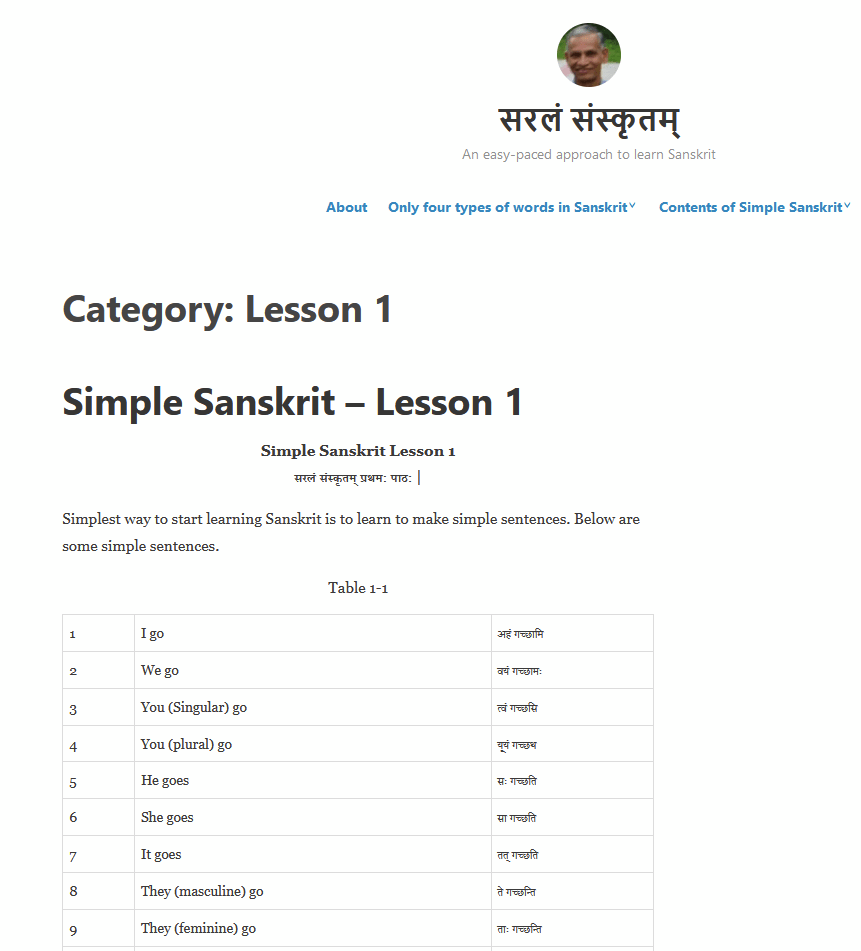


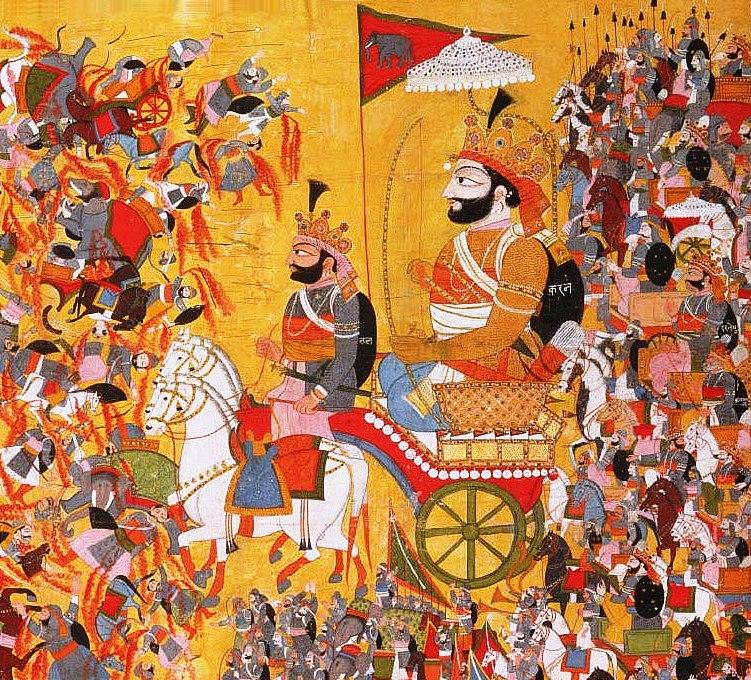



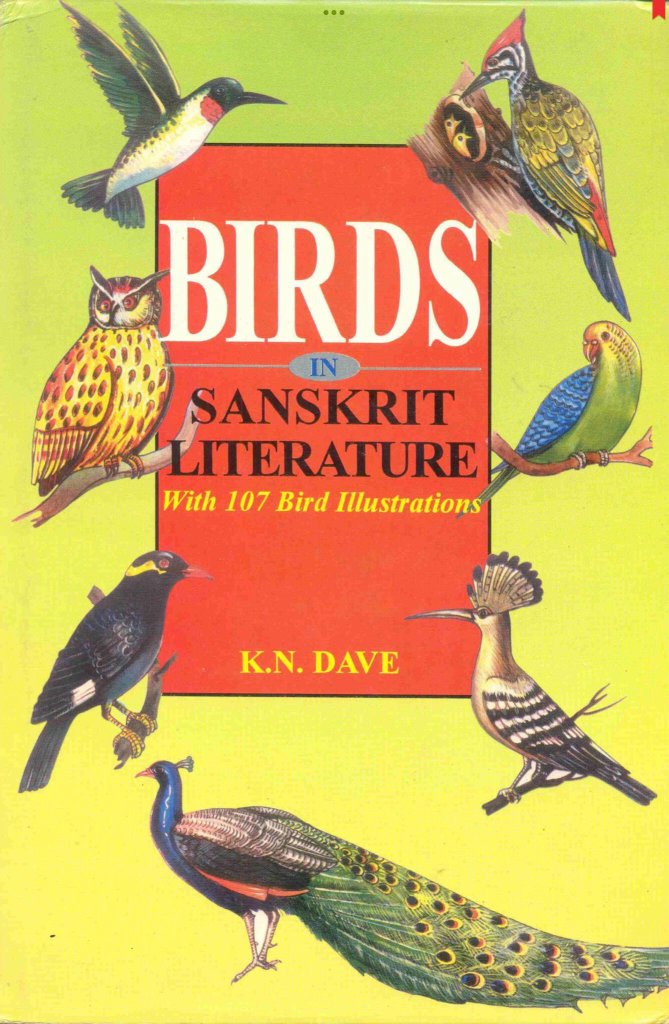
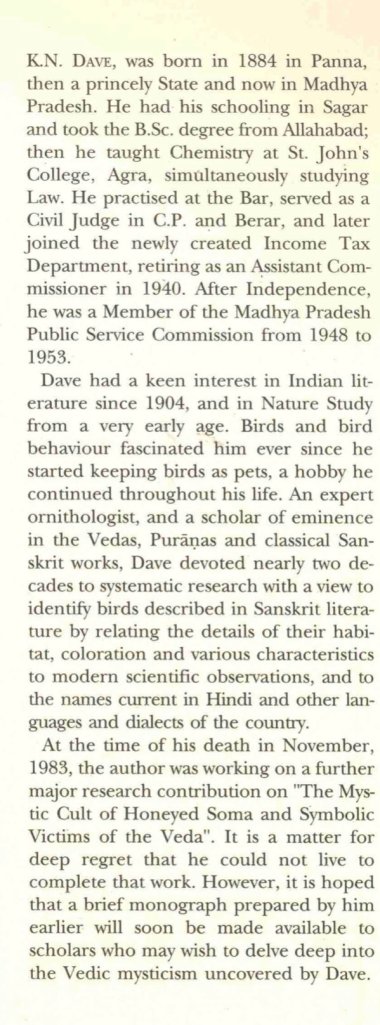


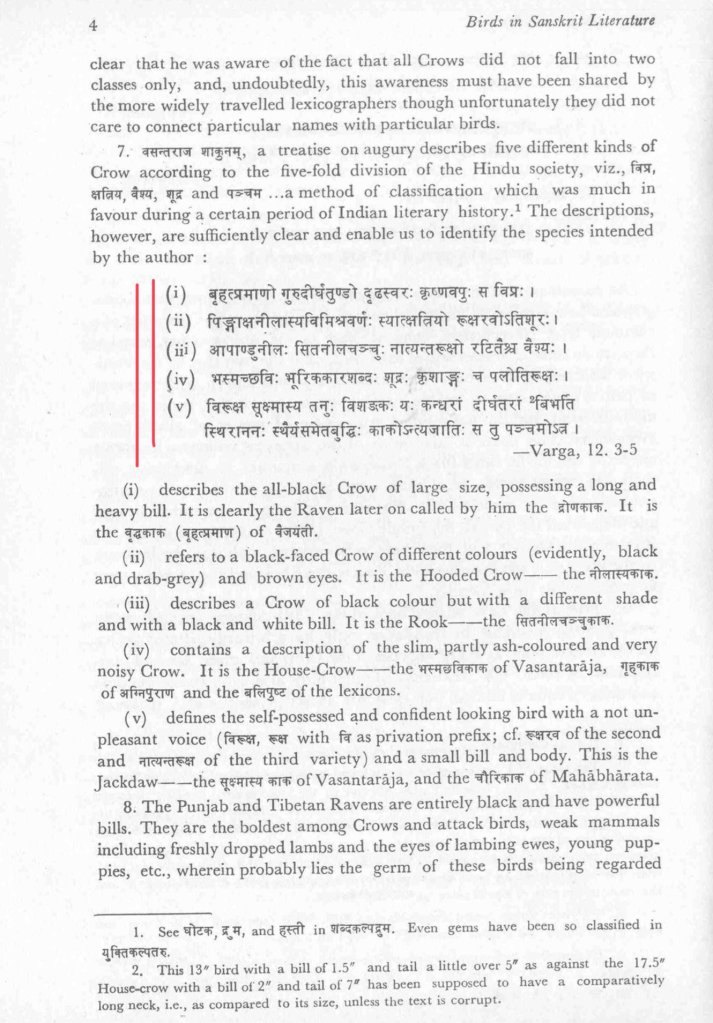
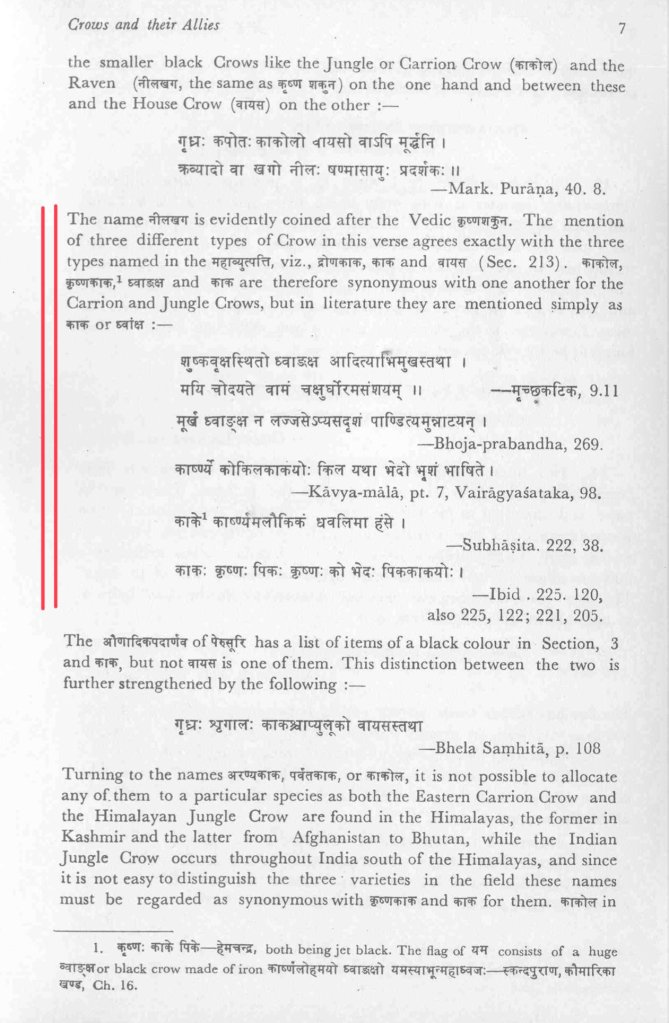
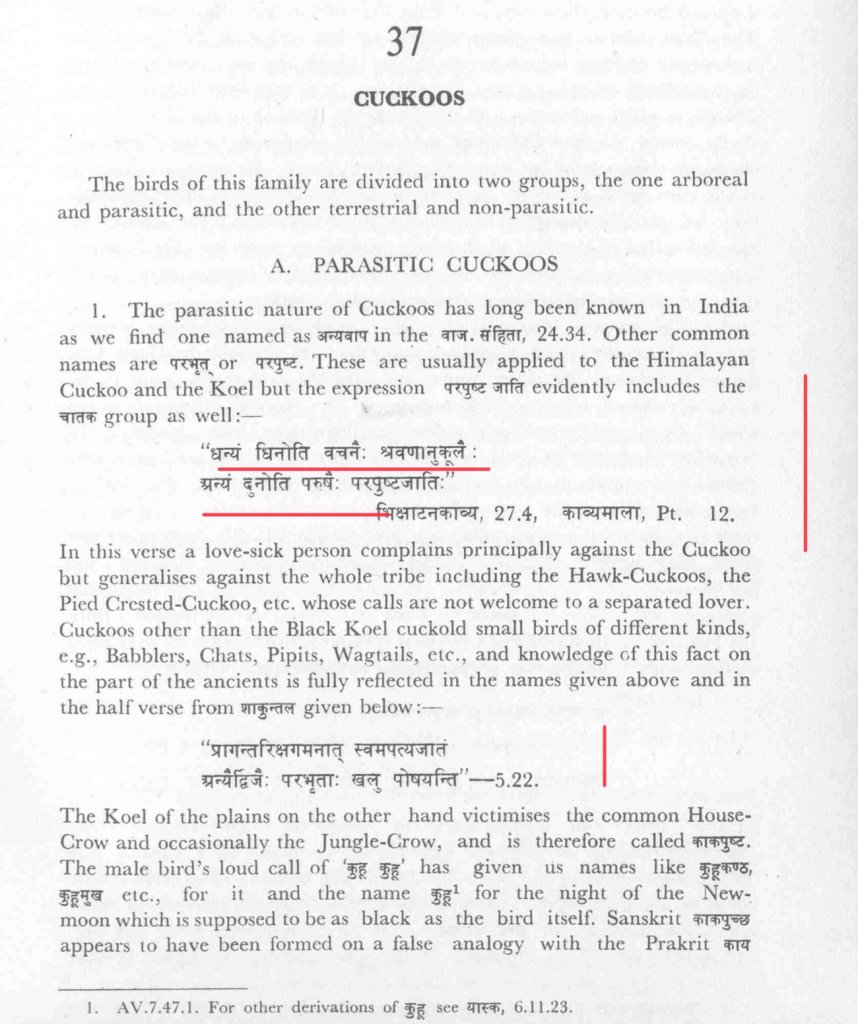
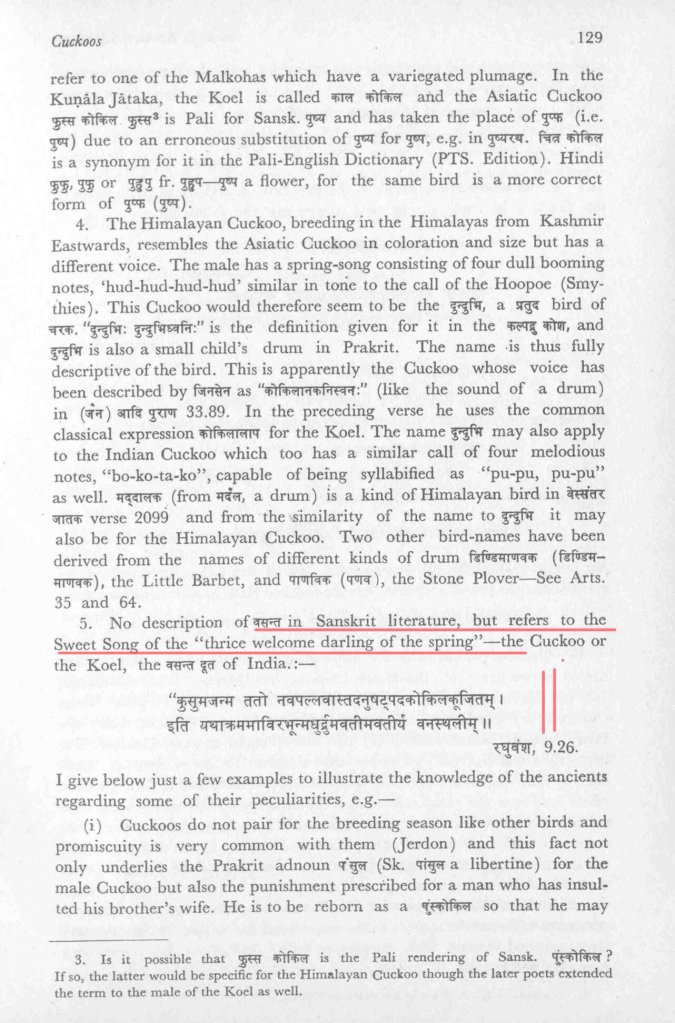


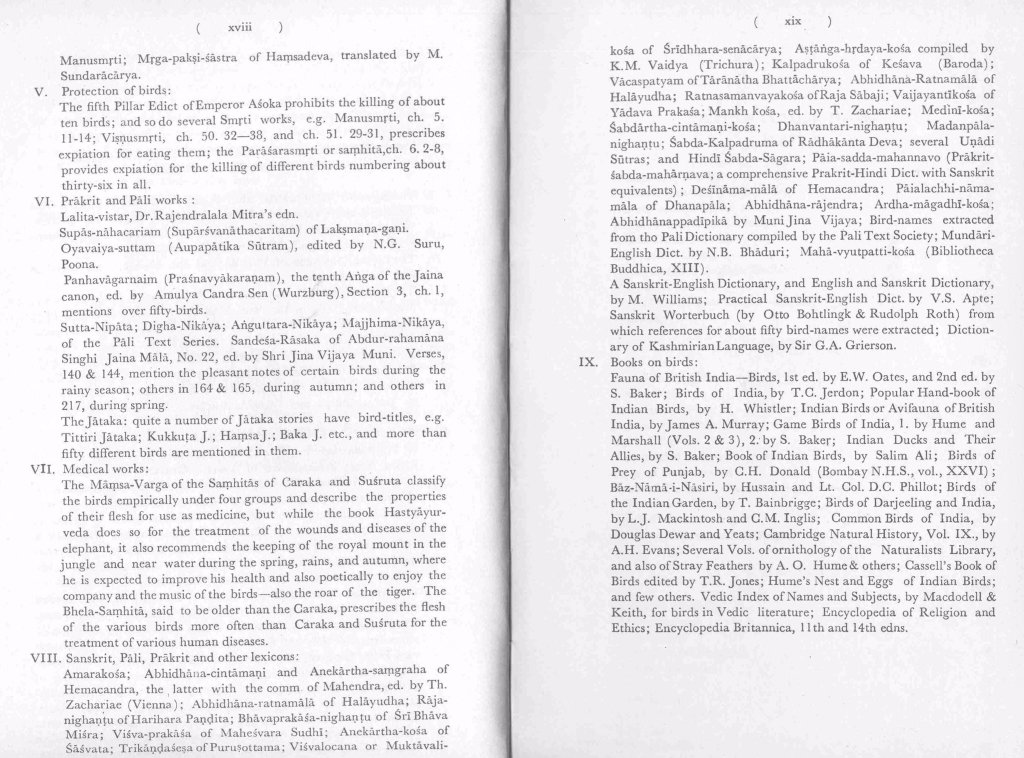


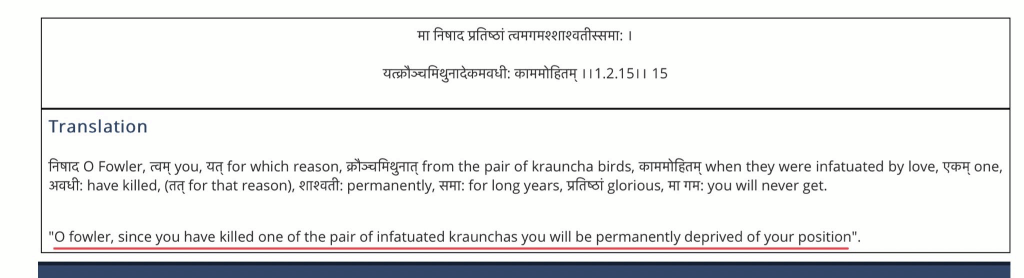


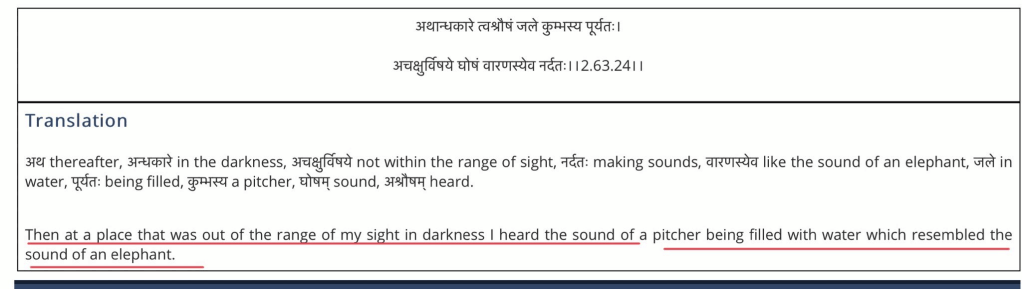


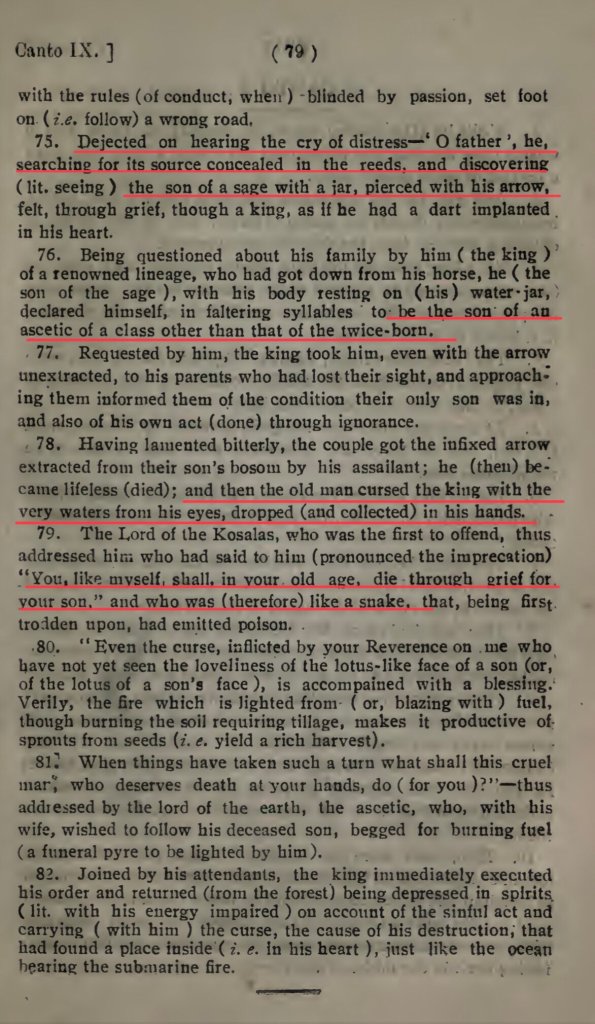


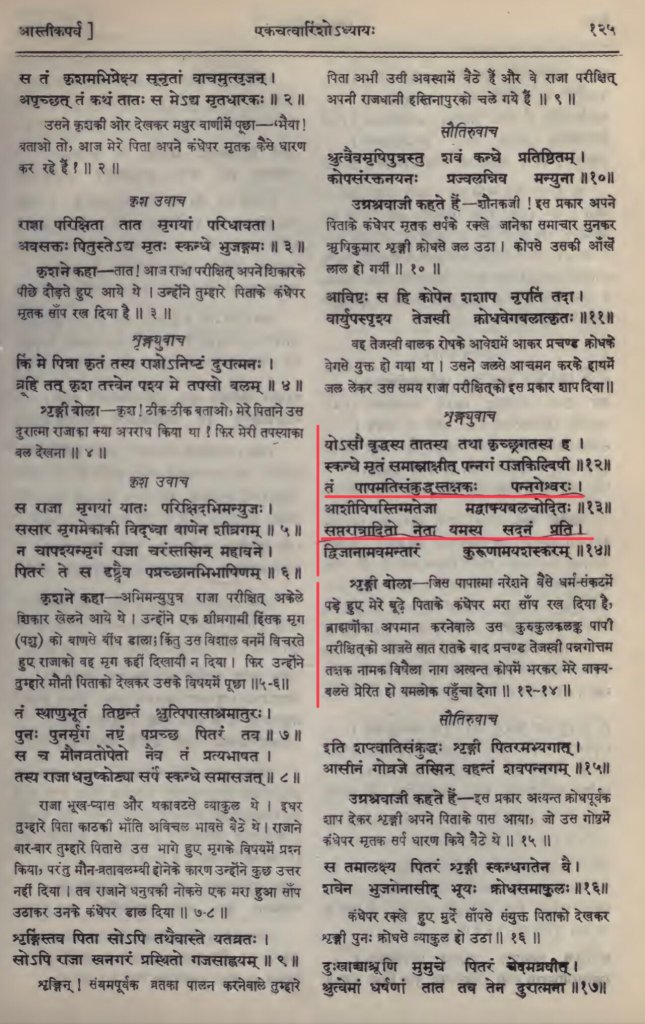


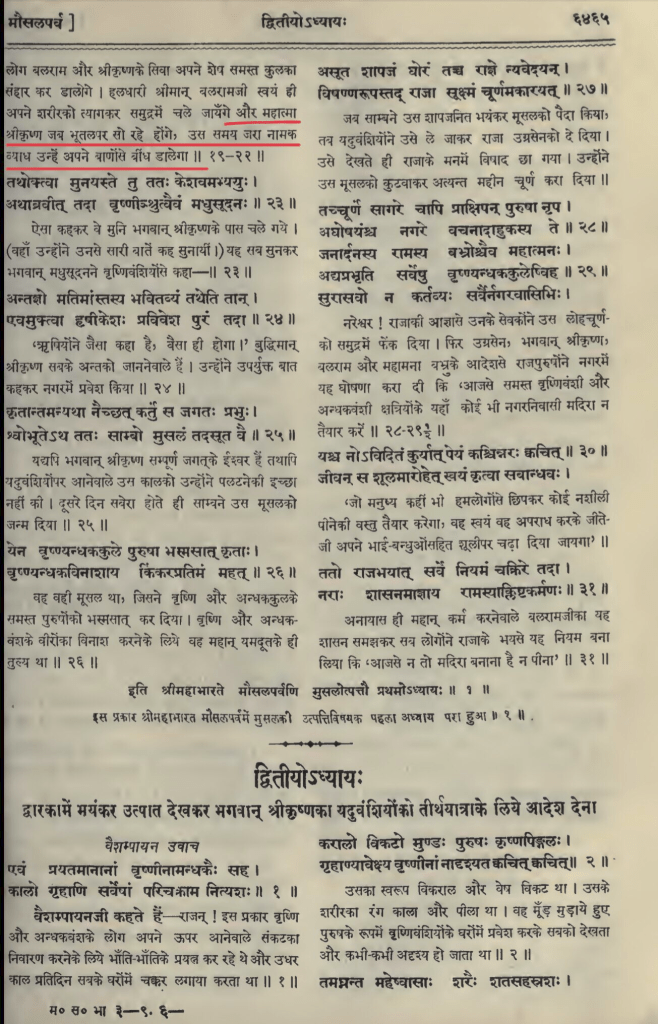



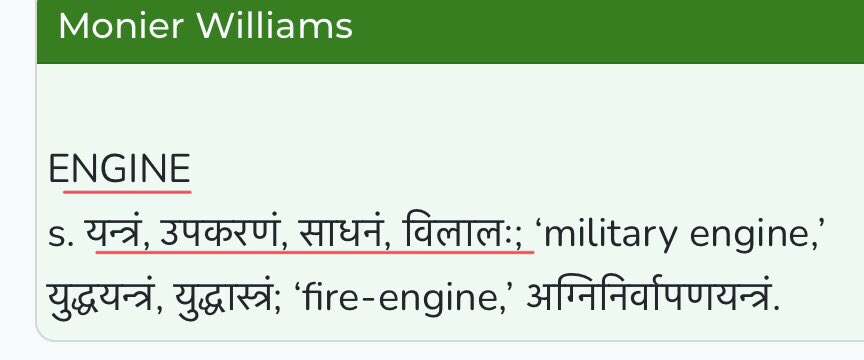

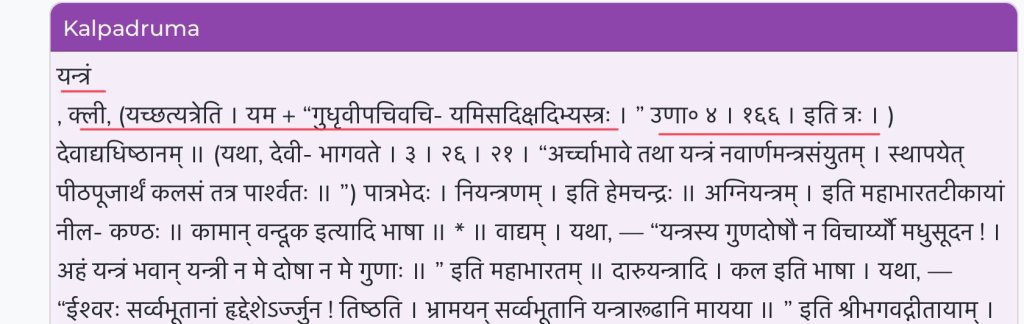


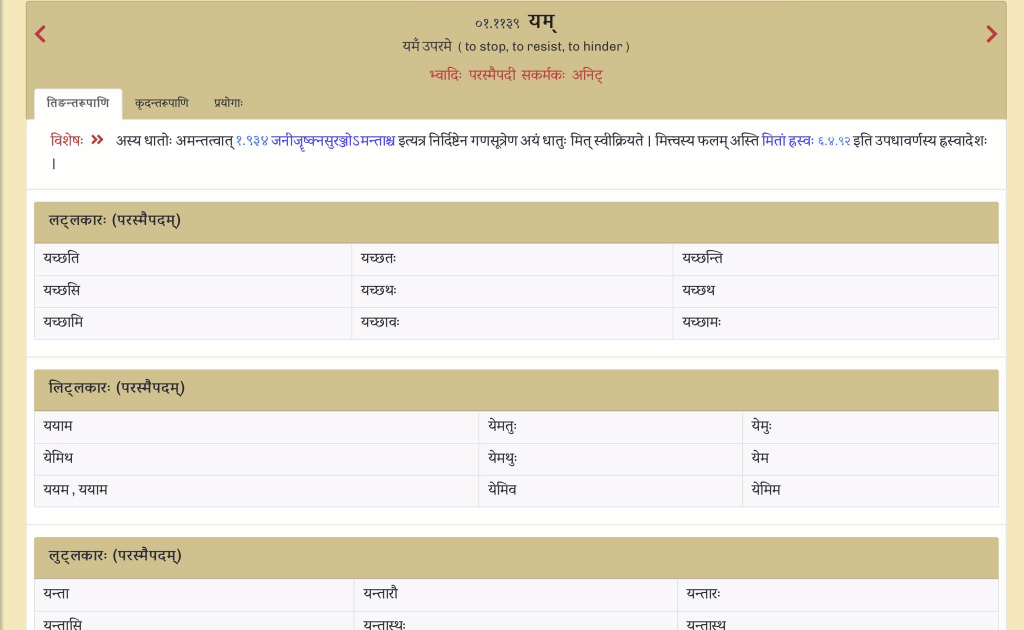


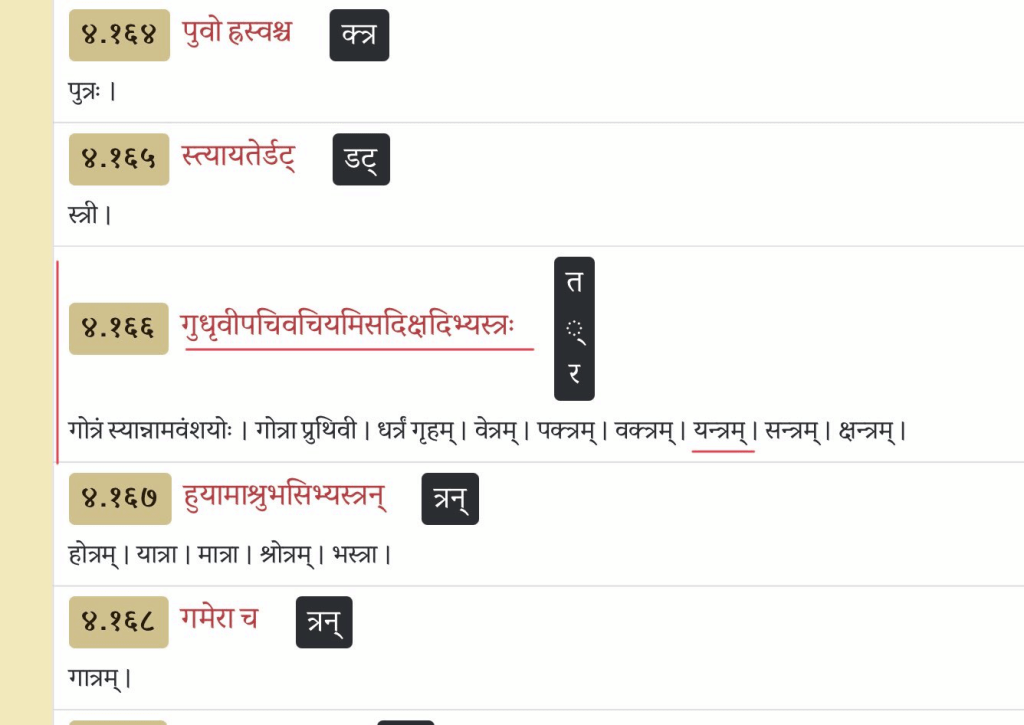
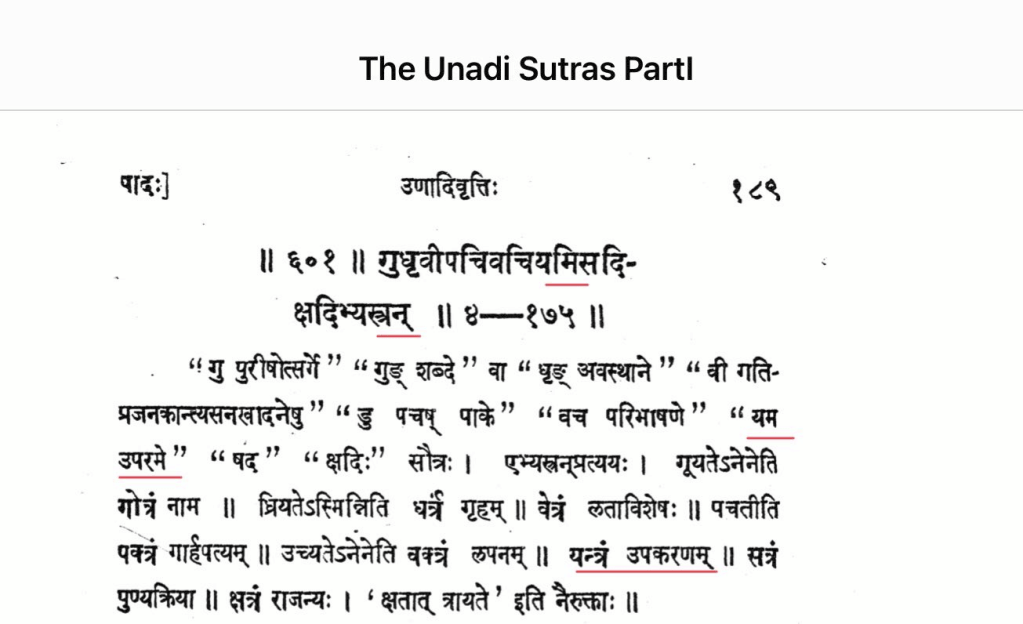

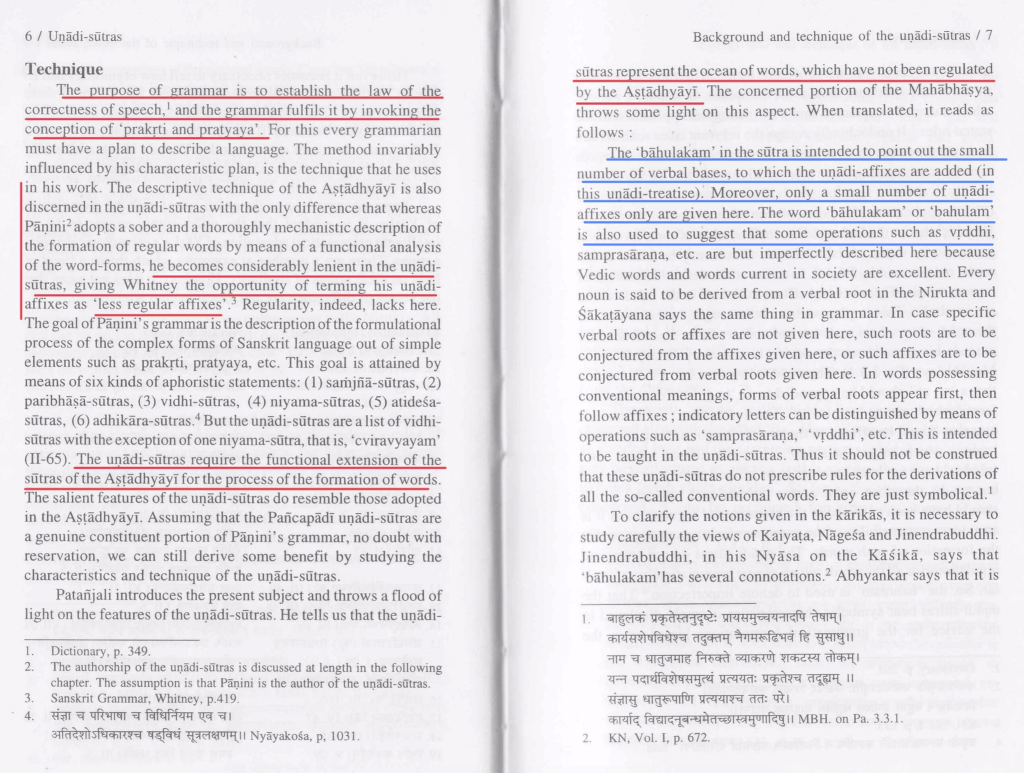


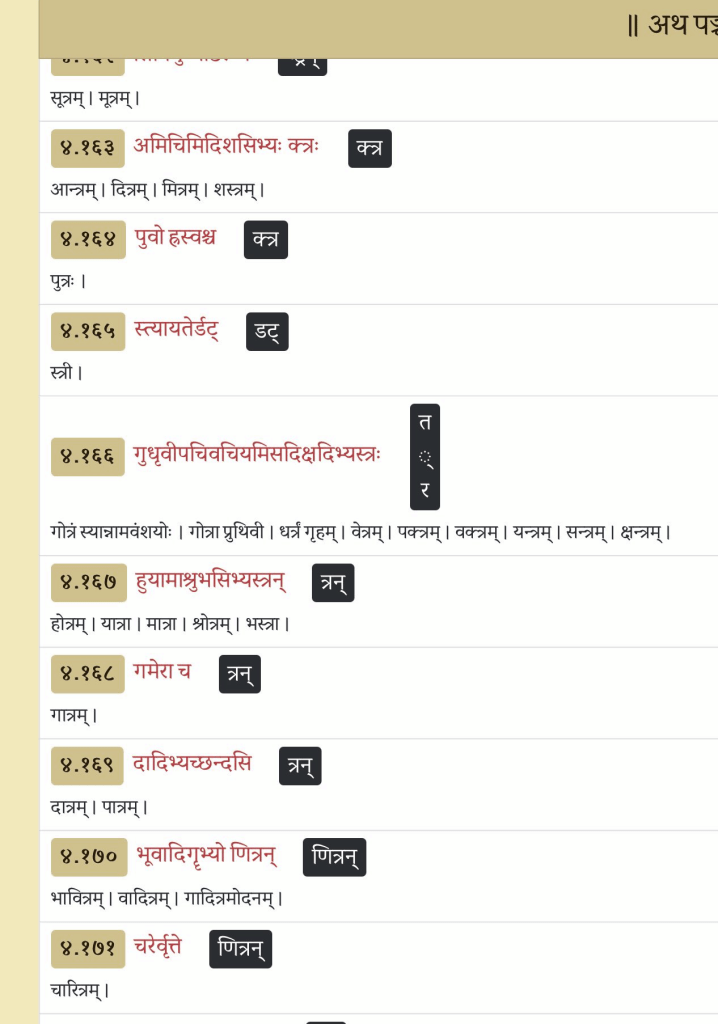

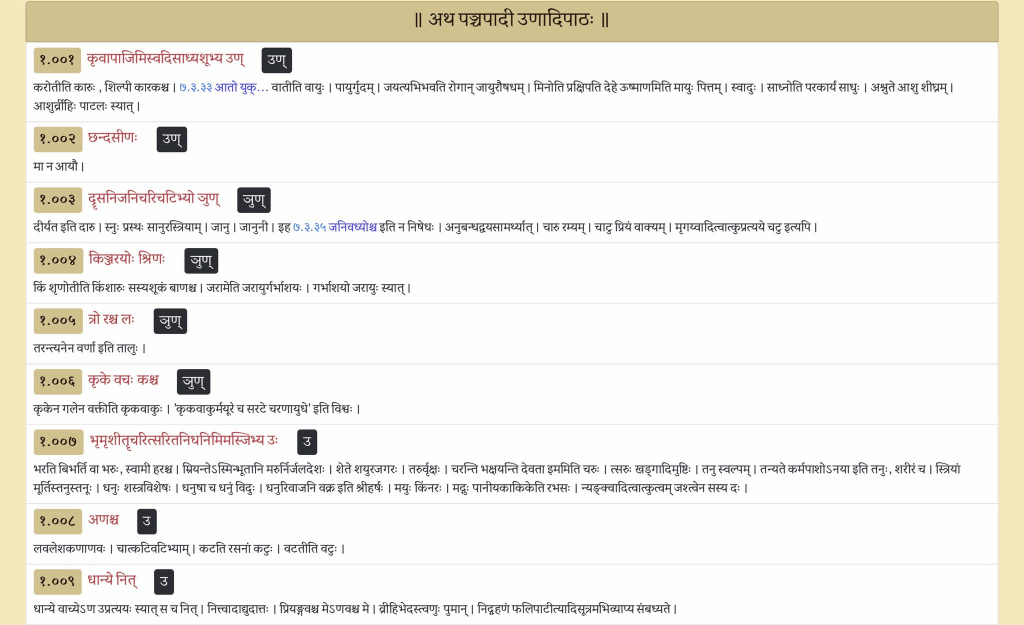
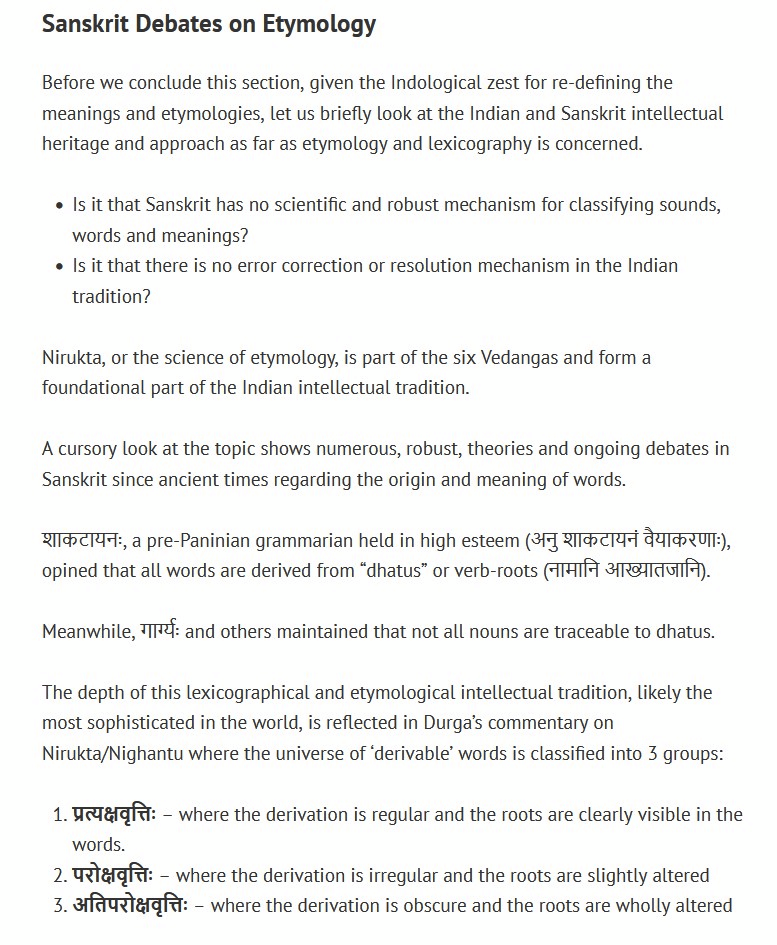

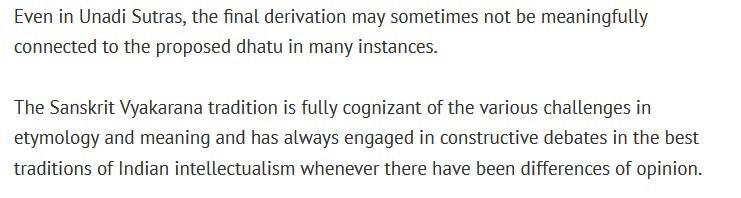
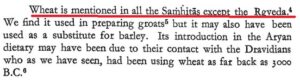
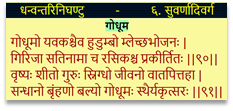
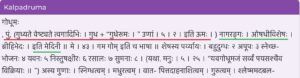



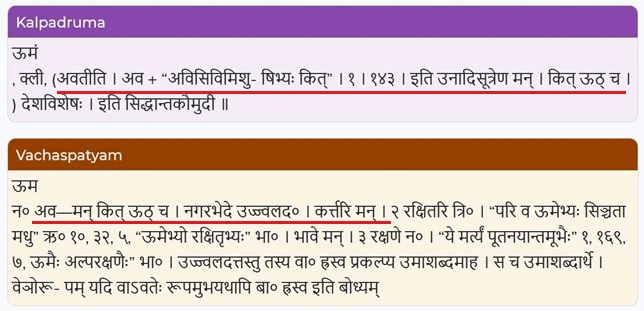
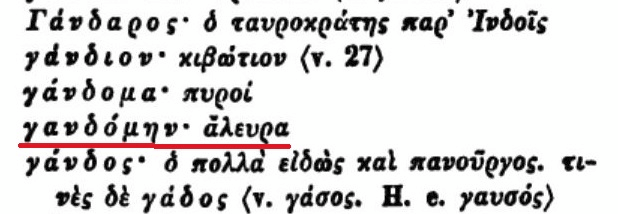
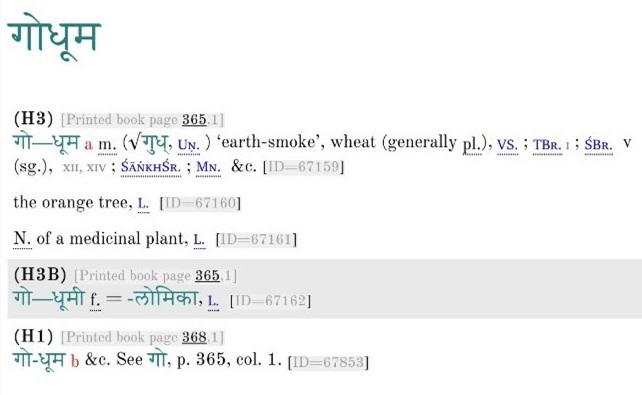
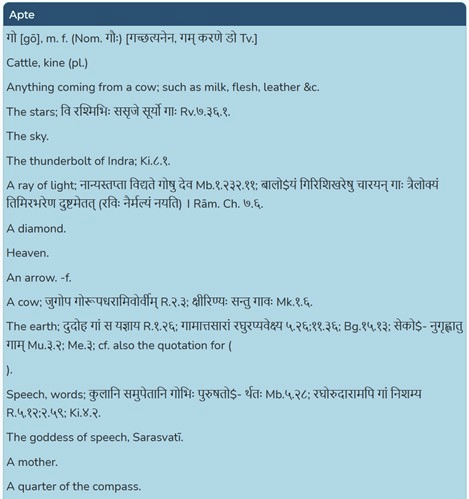

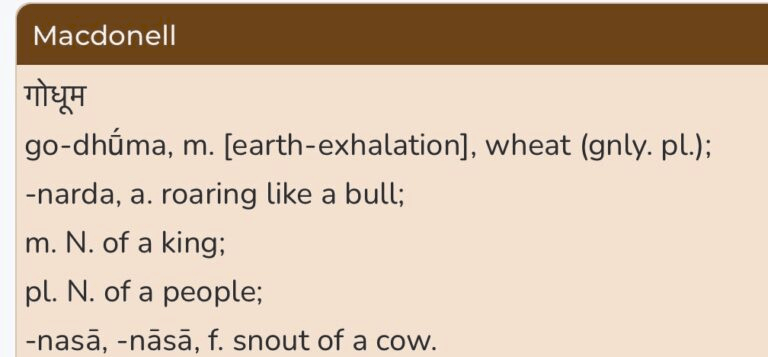


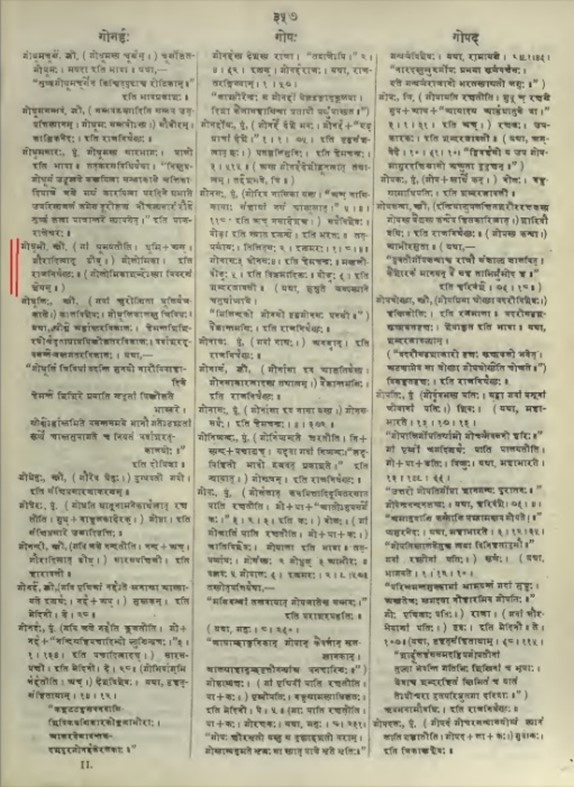


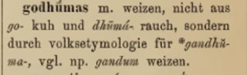



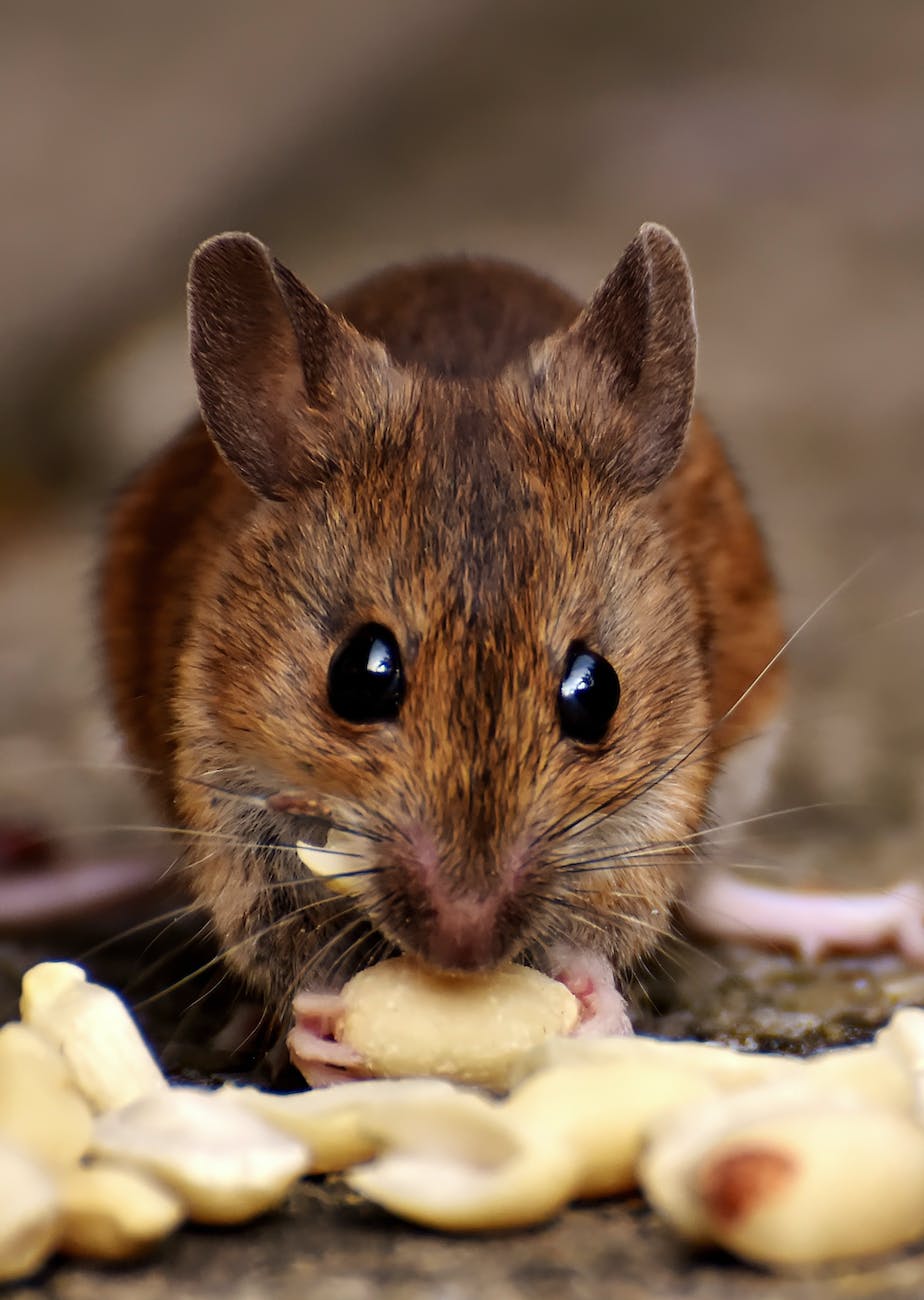

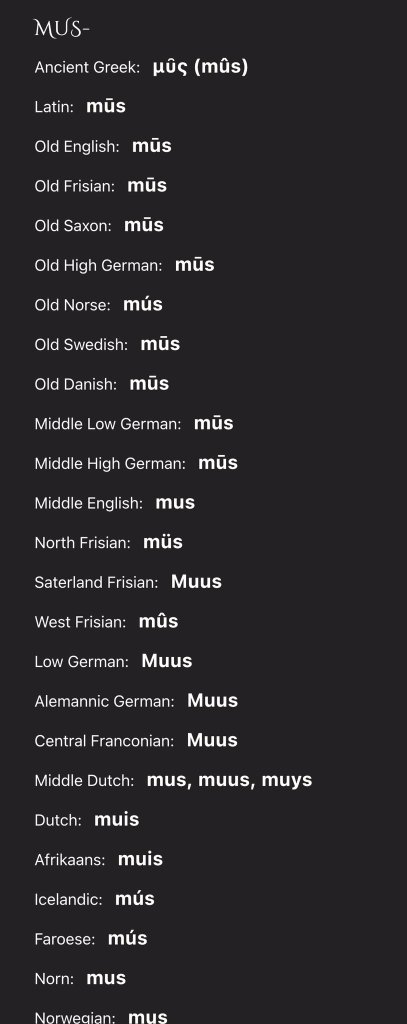
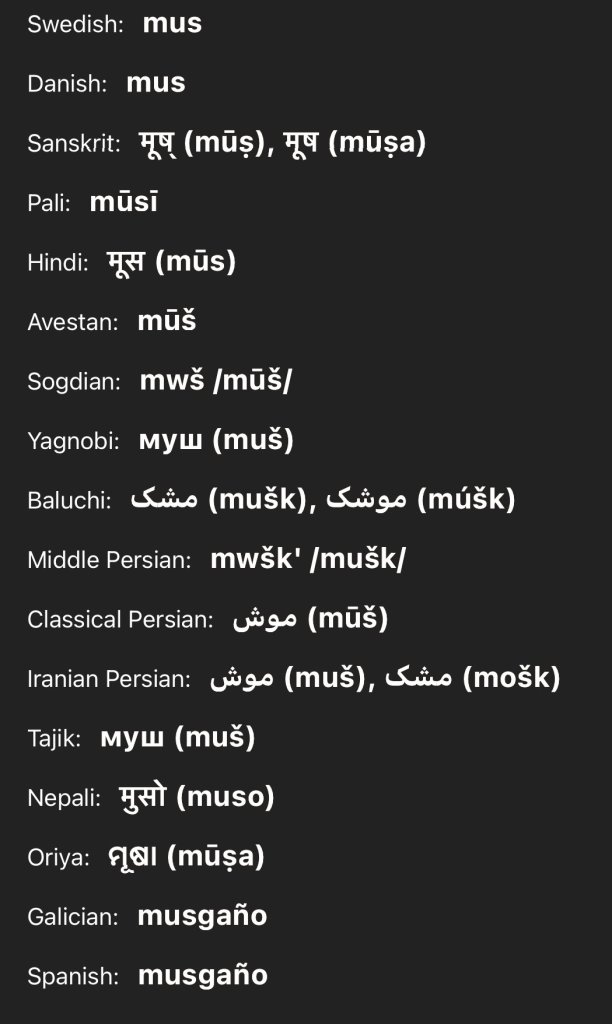


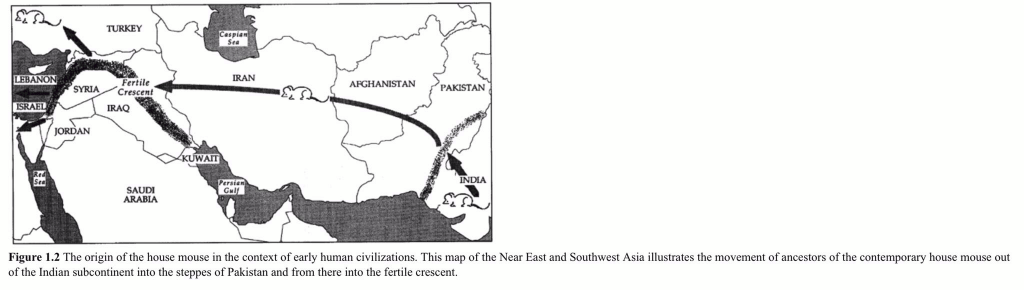


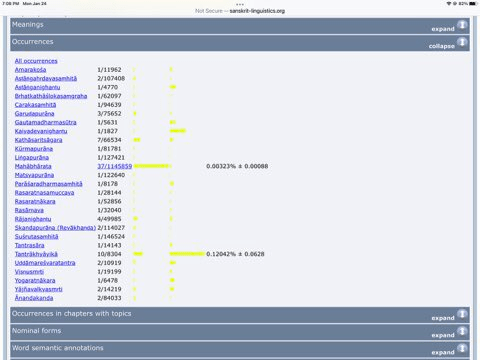


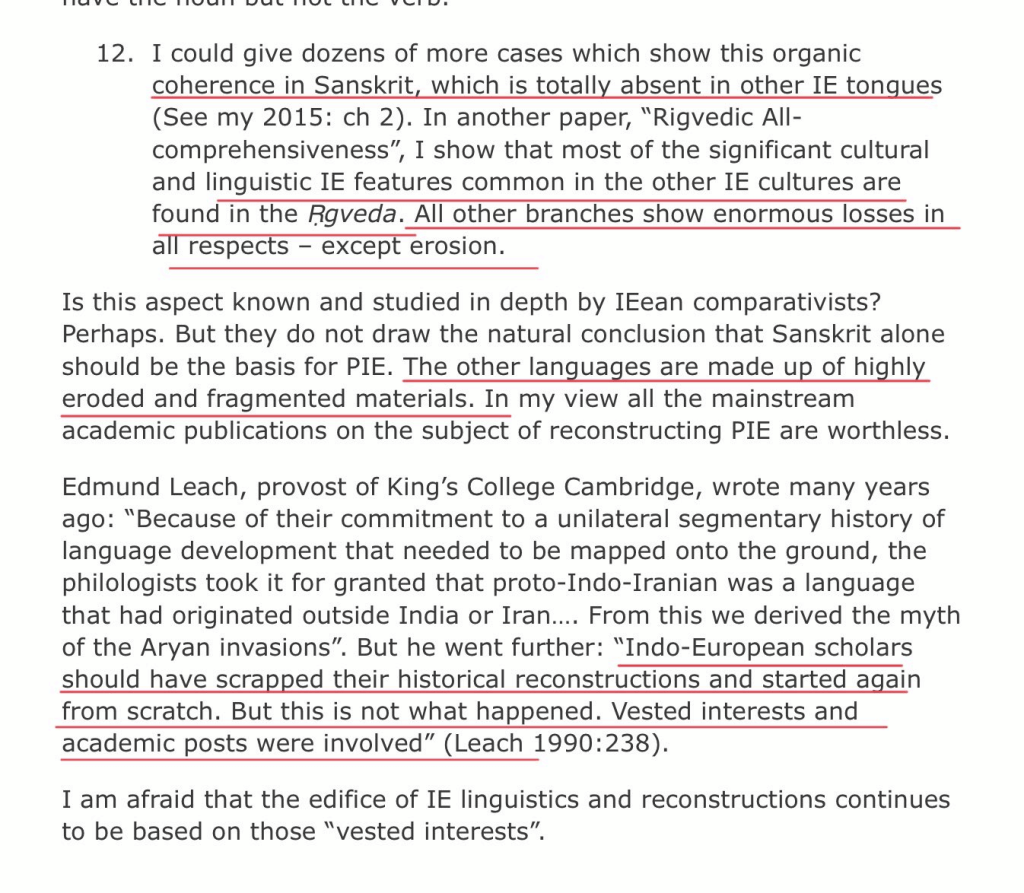

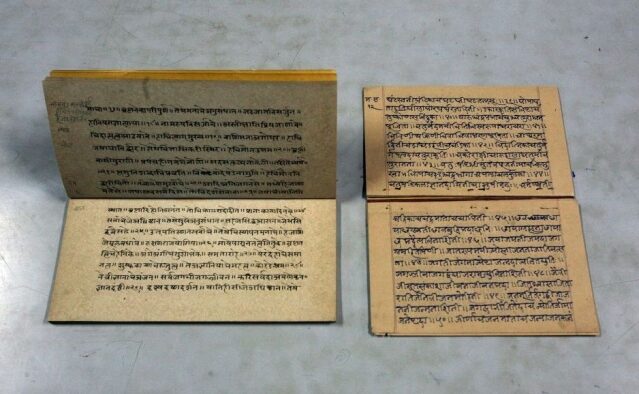
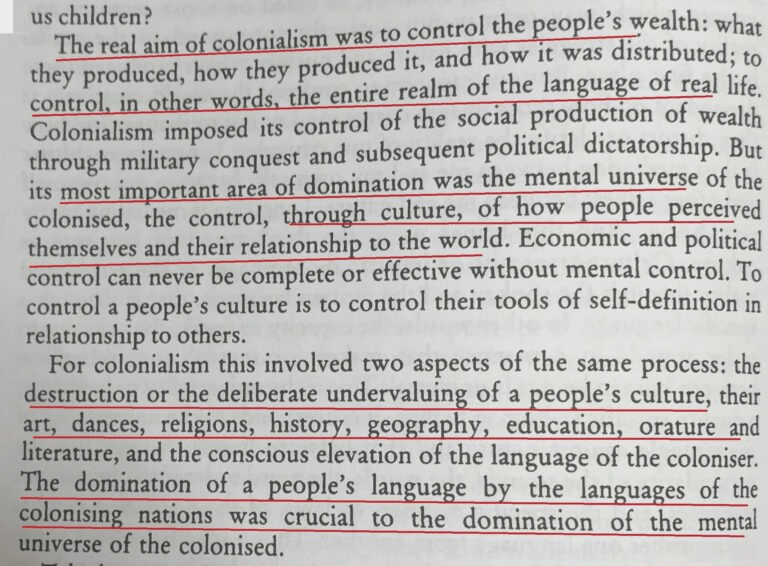
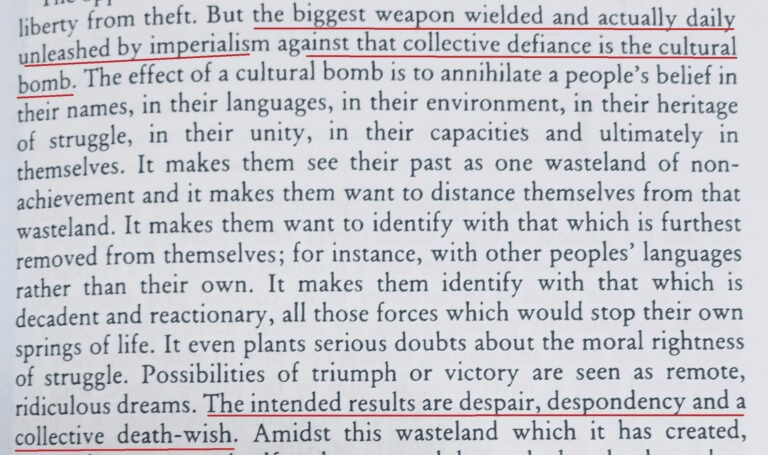


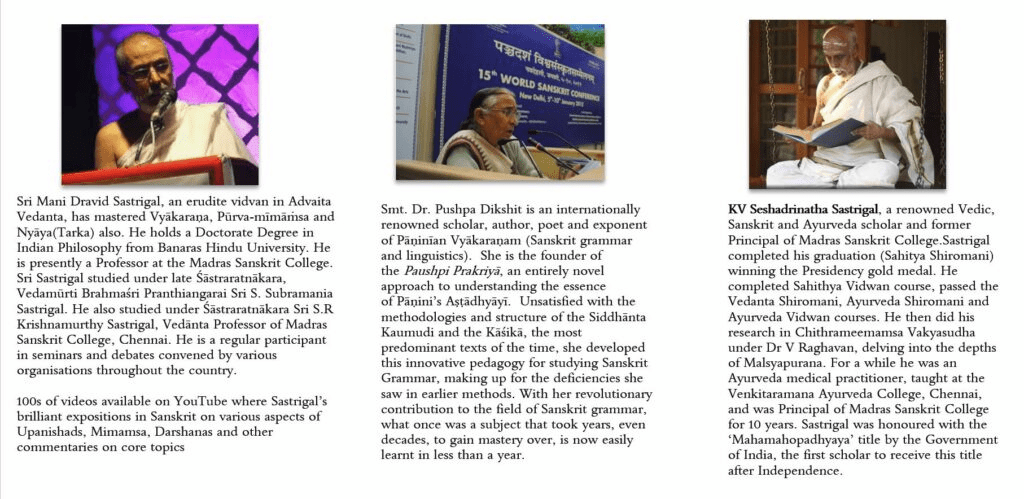


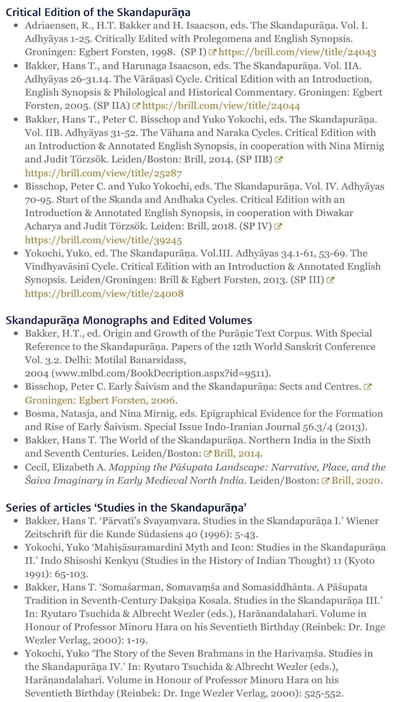
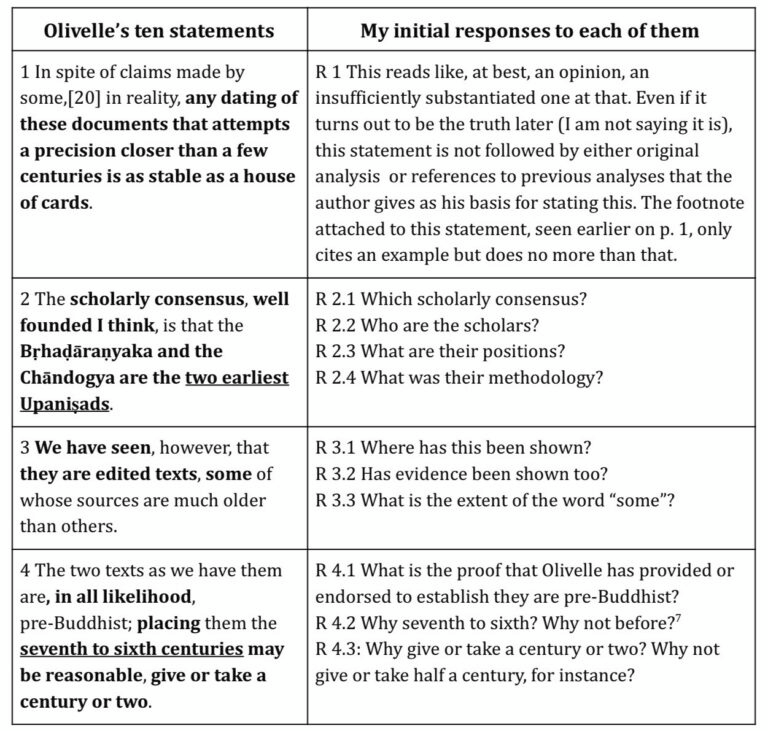
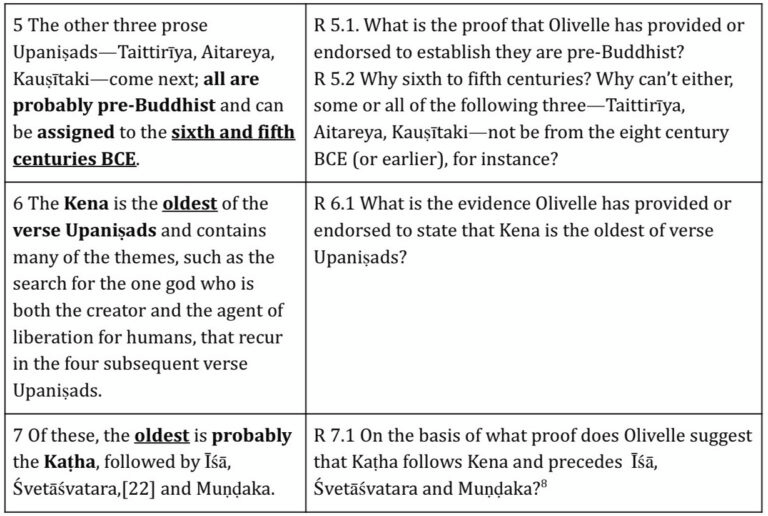
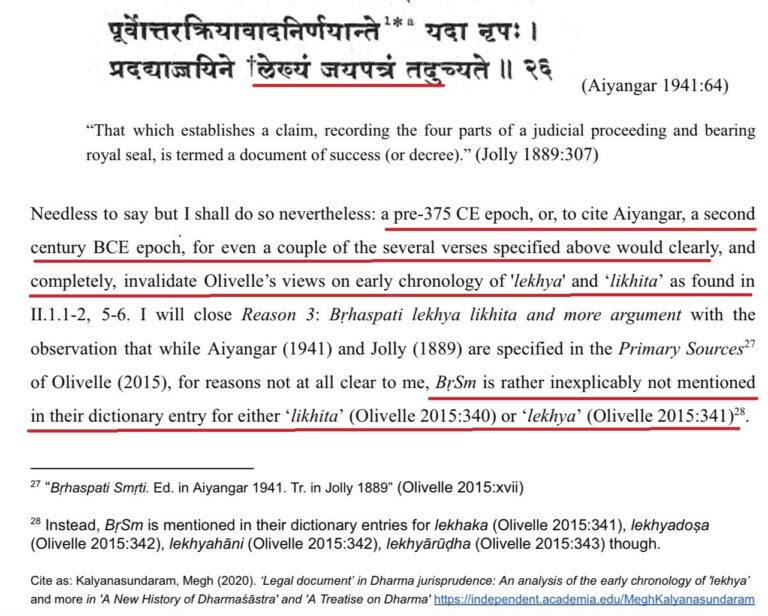
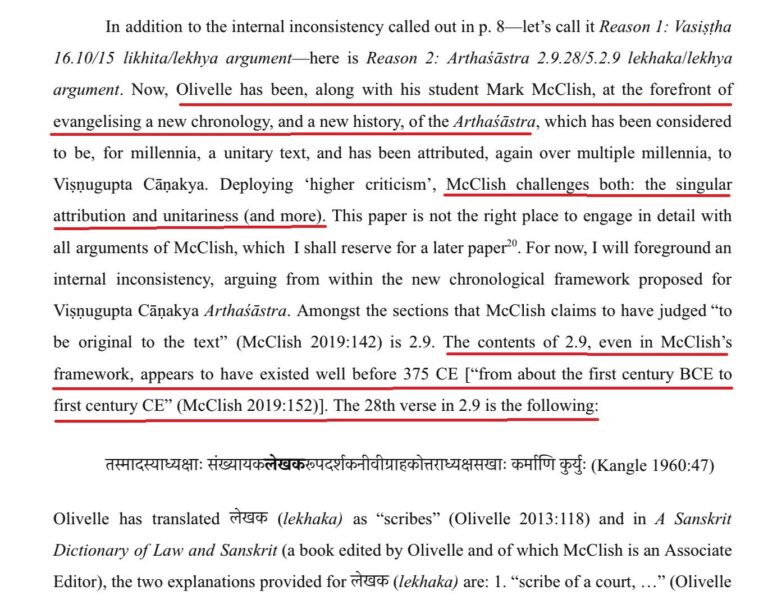


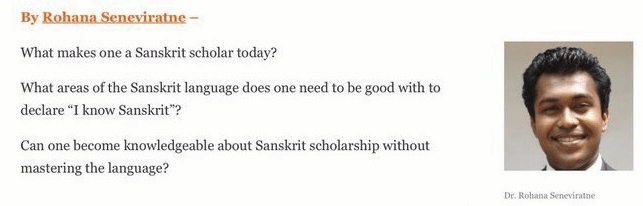




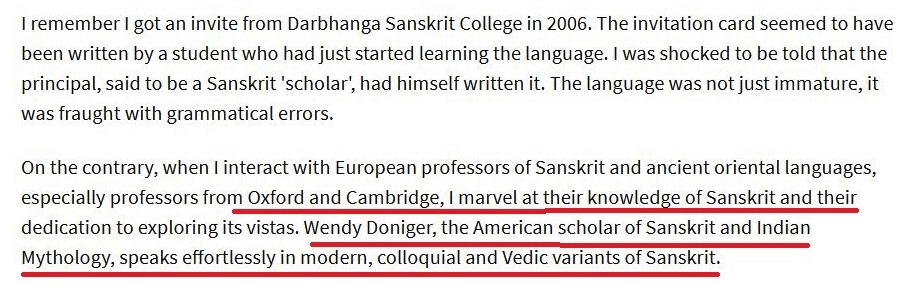
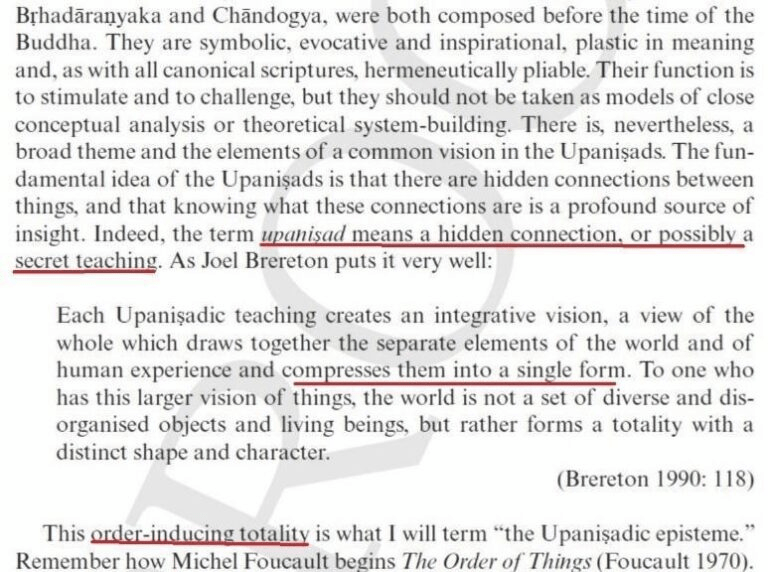
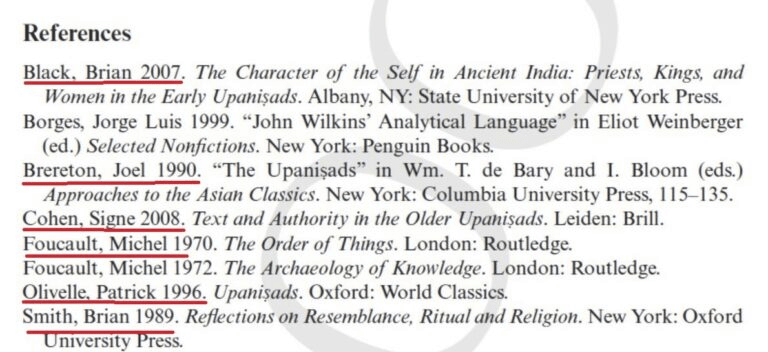
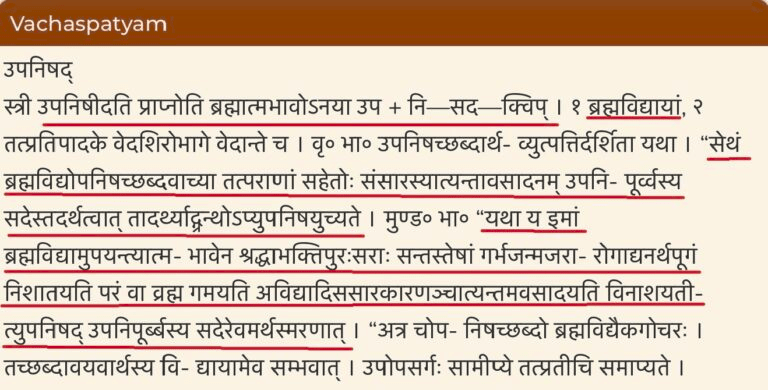
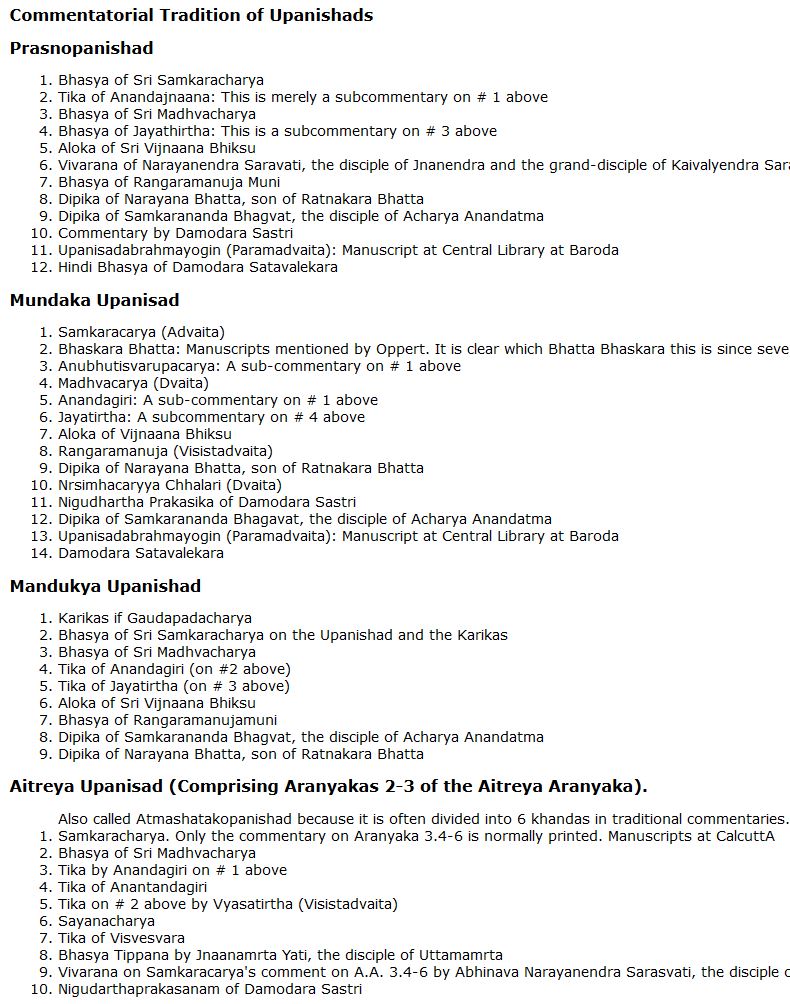


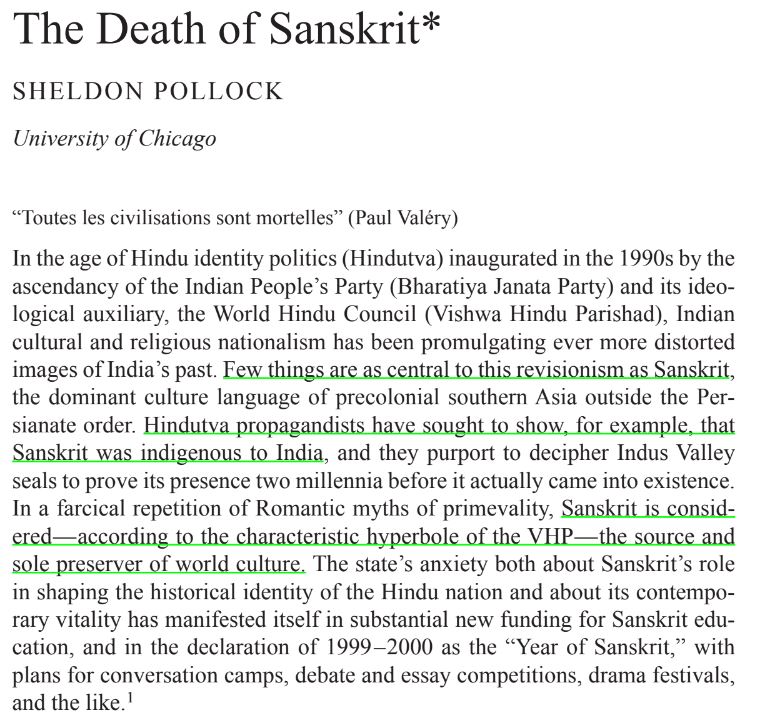
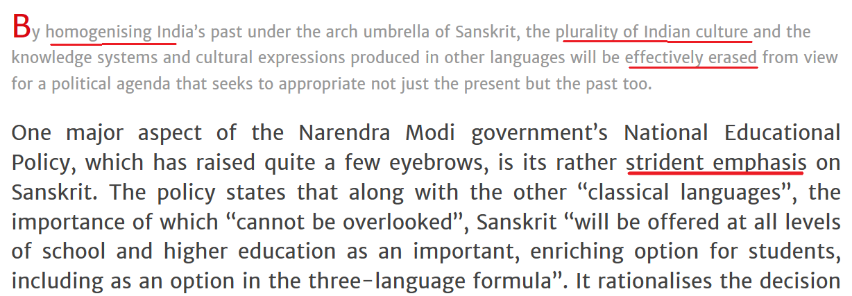
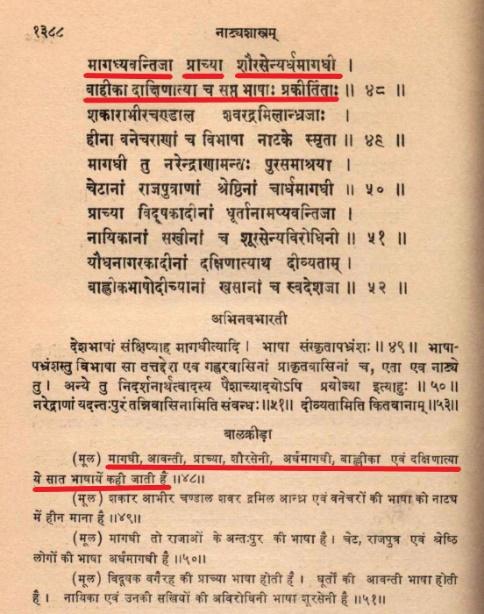
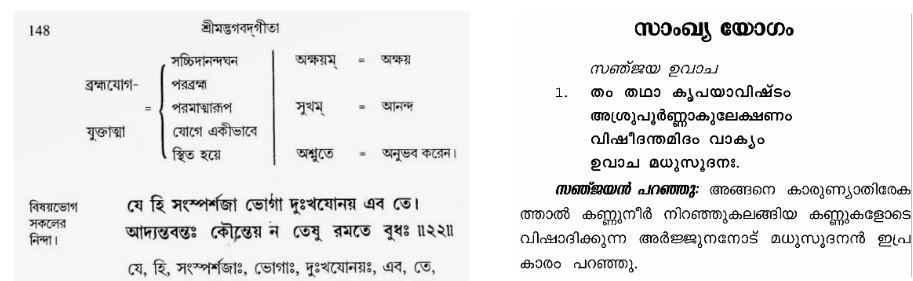

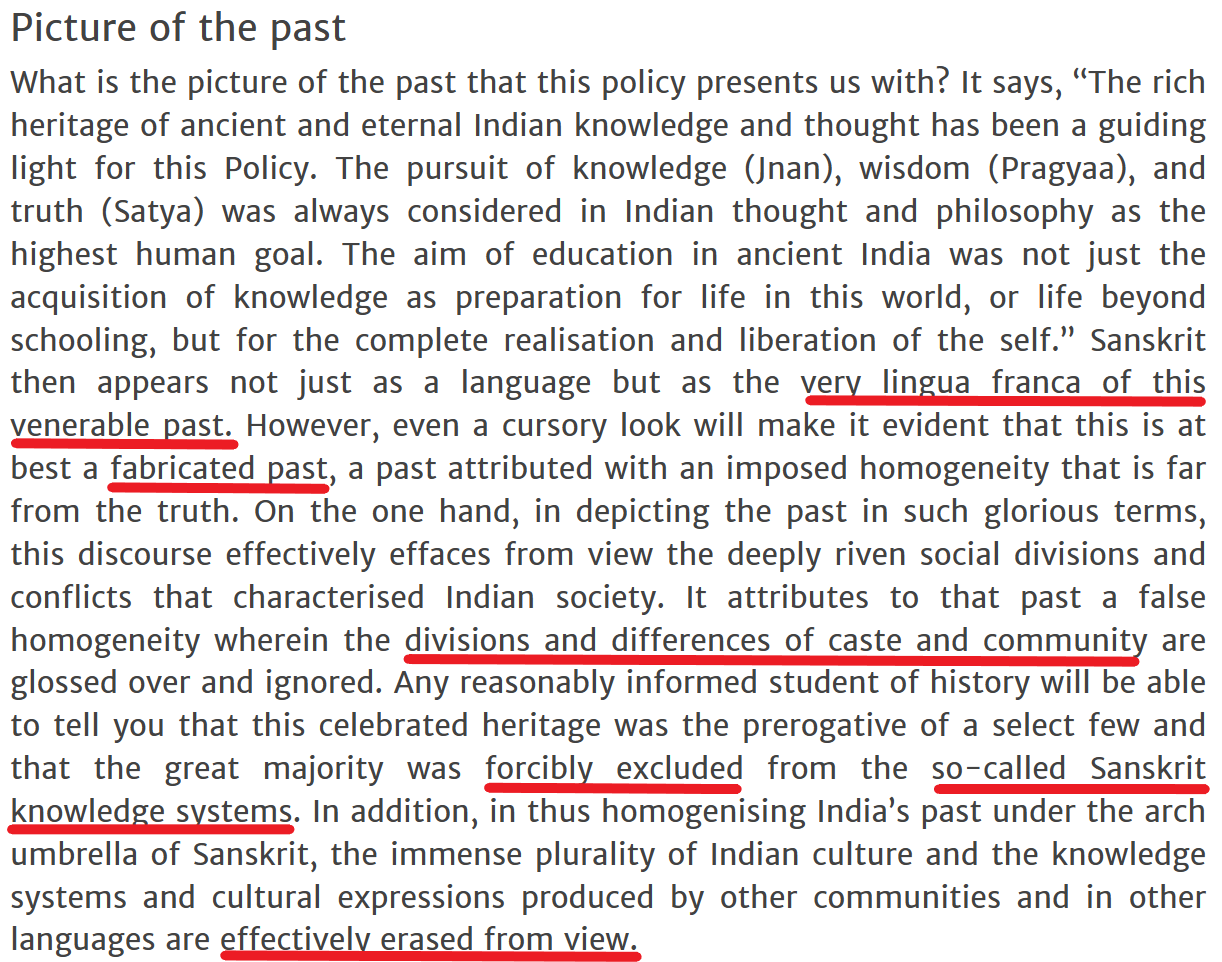
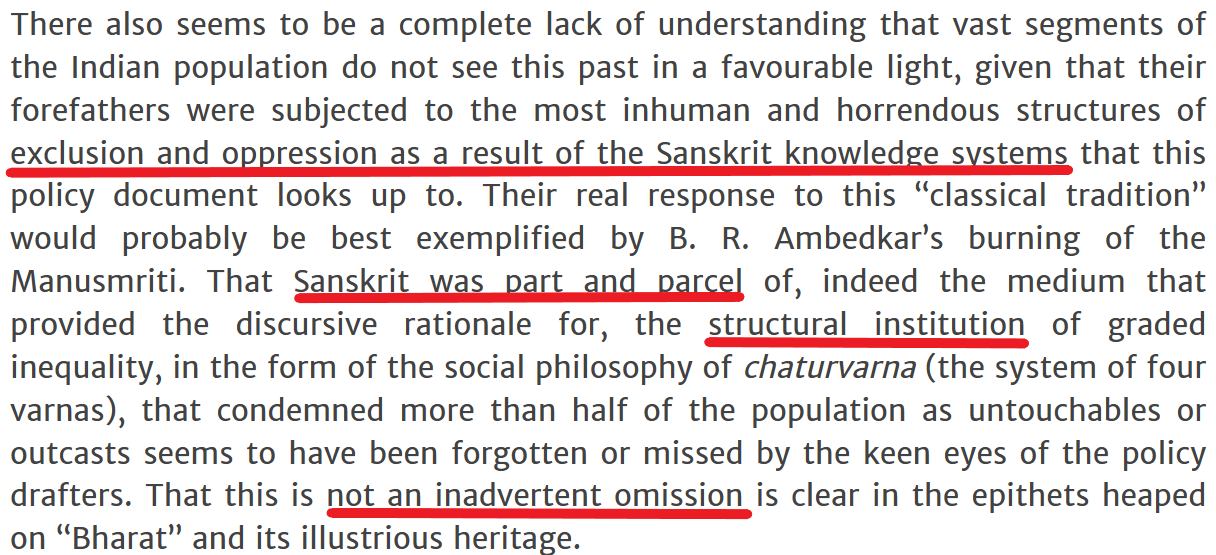
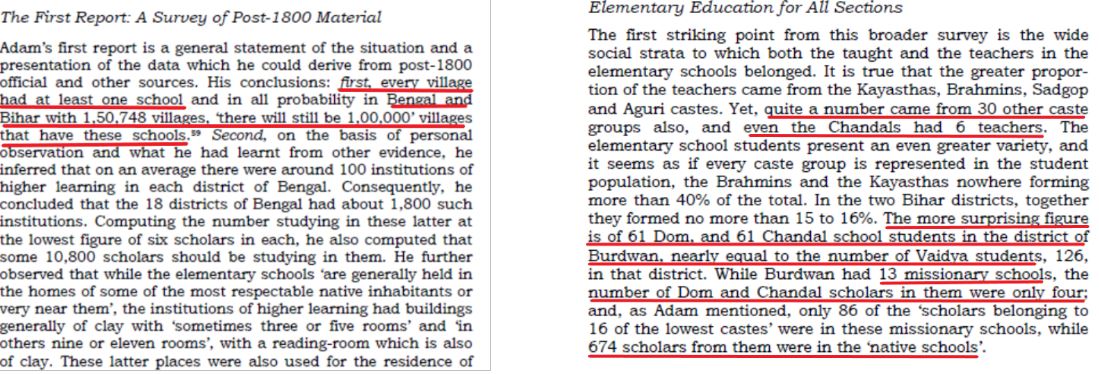
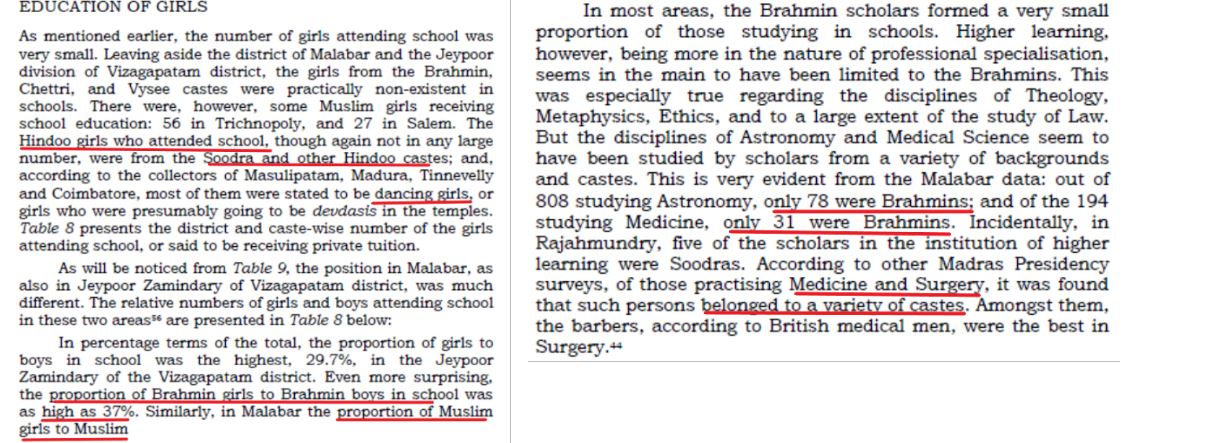
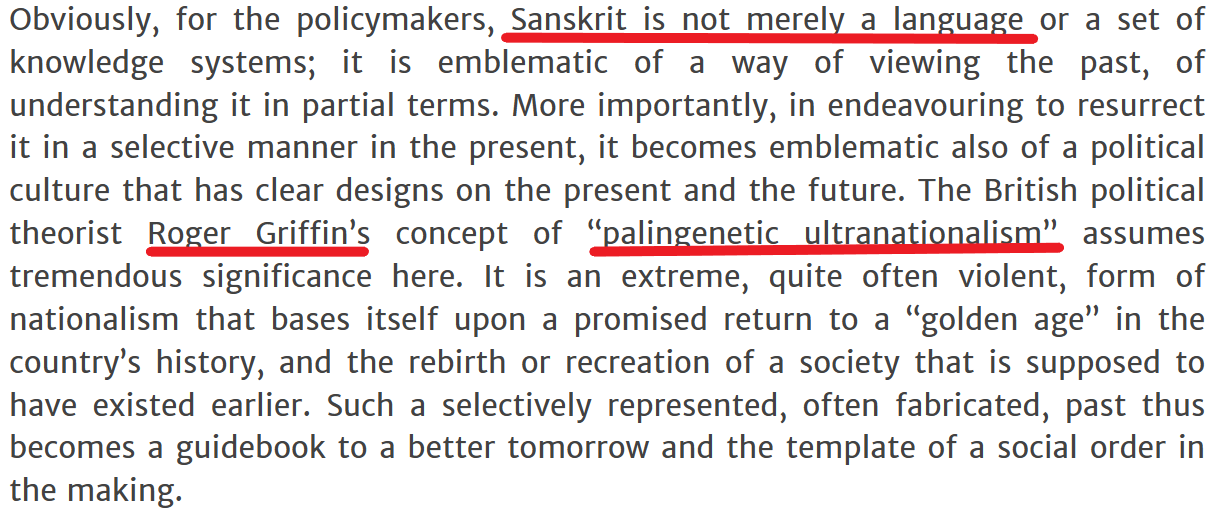
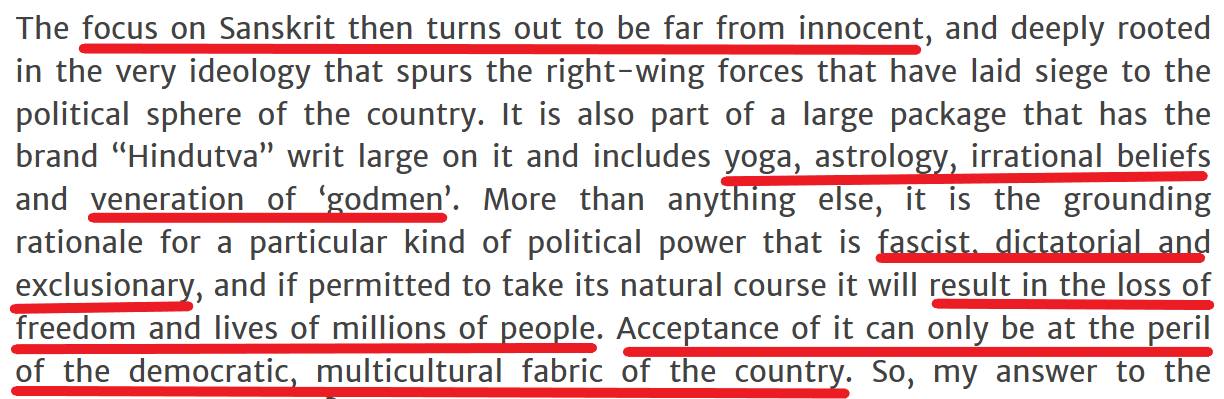

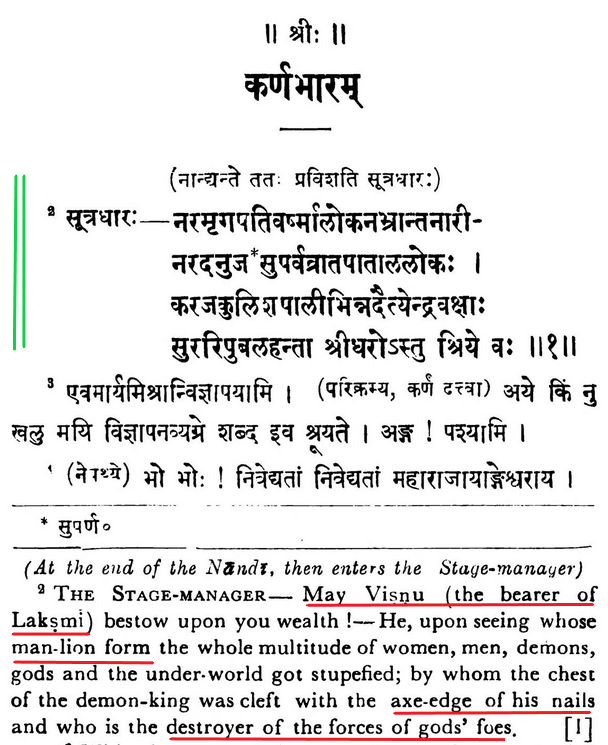
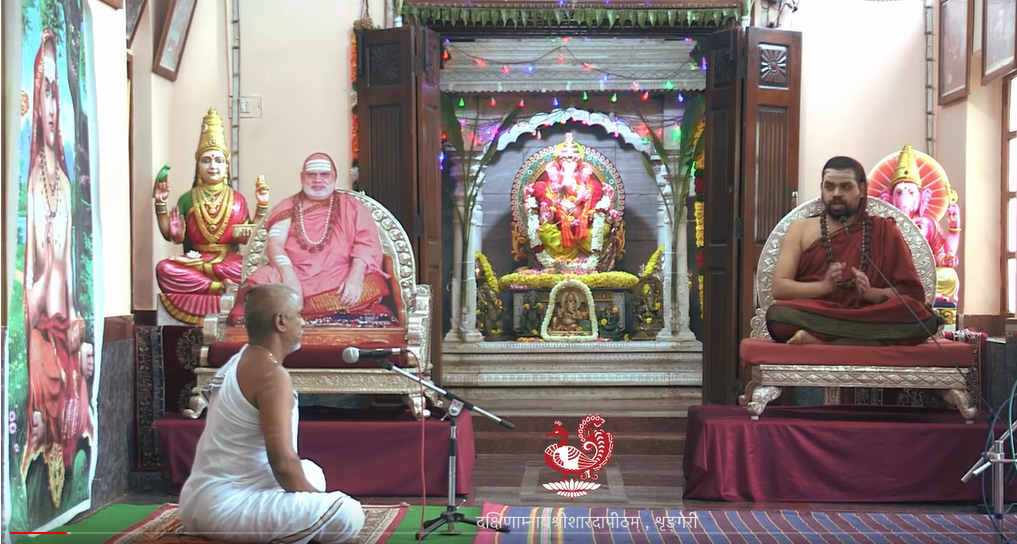
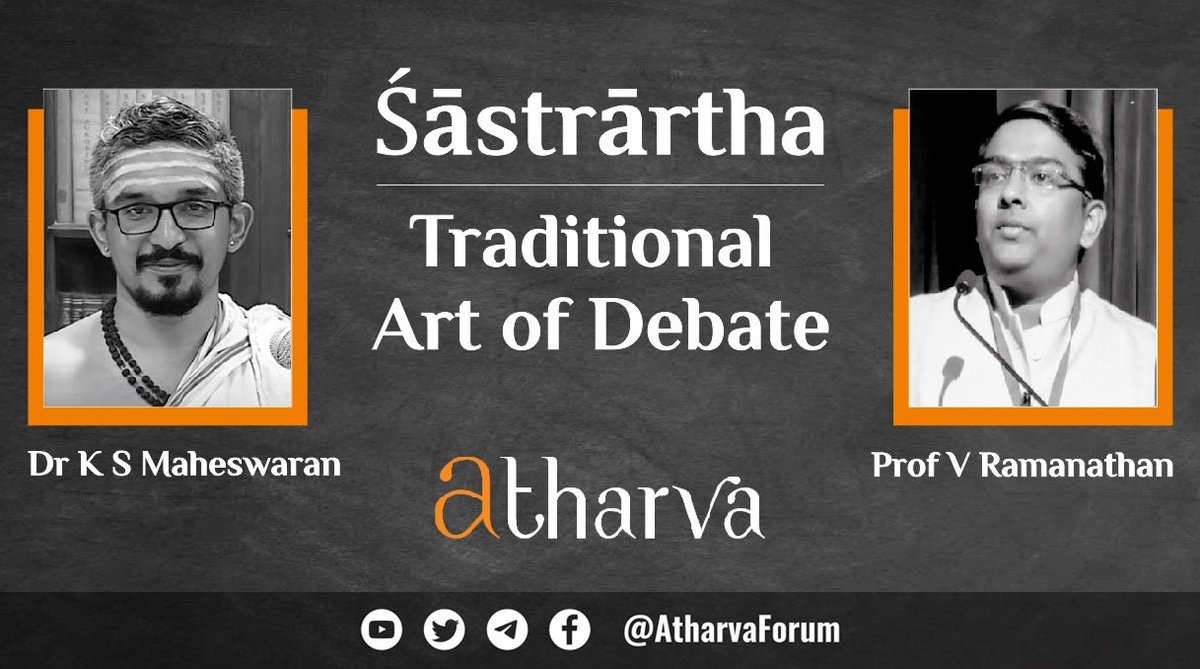

 प्वालसंस्कृतभाण्डारम्। PvaalSamskritam